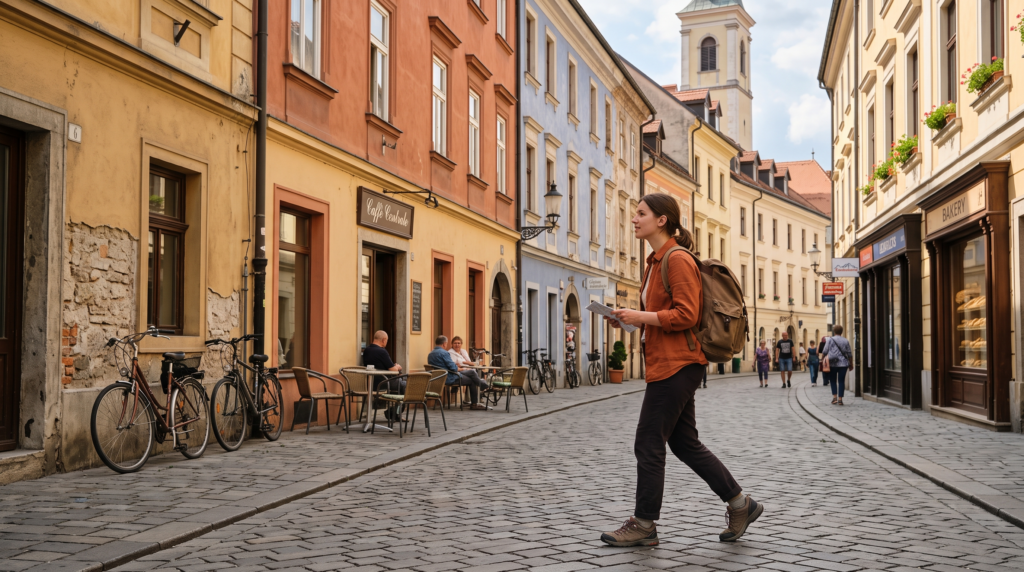
Finding cheap countries to visit in Europe can be frustrating because travel costs vary dramatically from one country to another. A destination described online as “cheap” may still have expensive capitals, beach resorts, tourist taxes, or transportation costs that push your final budget much higher than expected. Budget estimates can also be confusing because one guide may claim you can travel for €25 a day while another recommends twice that amount without clearly explaining what is actually included.
The good news is that Europe still has countries where accommodation, local food, transportation, and sightseeing offer excellent value. This guide compares 12 cheap countries to visit in Europe using realistic planning ranges instead of ultra-low headline prices. You will see what a lean and more comfortable daily budget can look like, where to find better value within each country, which destinations become expensive during peak season, and how to choose the right country for the type of trip you want.
Quick Takeaways
- Serbia and Bulgaria are among the strongest cheap countries to visit in Europe for keeping everyday travel costs low.
- A realistic lean budget is around €30–€70 per person per day.
- Albania is one of the best choices for an affordable beach trip outside peak summer.
- Romania, North Macedonia, and Slovenia offer strong value for nature, mountains, lakes, and hiking.
- Poland and Czechia are good options for historic cities and easier transportation.
- The cheapest country is not always the cheapest total trip; airfare, transport, tourist taxes, and seasonality matter.
- International airfare is not included in the daily budget ranges.
Cheap Countries to Visit in Europe at a Glance
Use these ranges as practical planning estimates. Actual costs vary by season, destination, accommodation style, activities, and how often you move between cities.
| Country | Lean Daily Budget | Comfortable Budget | Best For | Watch For |
|---|---|---|---|---|
| Serbia | €30–€45 | €55–€80 | Cities, food, nightlife | Belgrade events |
| Bulgaria | €30–€45 | €60–€85 | Cities, mountains, Black Sea | Resorts |
| Bosnia and Herzegovina | €35–€50 | €65–€90 | History, culture, nature | Intercity transport |
| Albania | €35–€50 | €70–€105 | Beaches and mountains | Riviera in summer |
| Romania | €40–€55 | €70–€100 | Castles, cities, hiking | Bucharest and Cluj |
| North Macedonia | €40–€55 | €70–€105 | Lakes, hiking, history | Ohrid in summer |
| Poland | €40–€60 | €70–€100 | Historic cities, food | Kraków and Warsaw |
| Hungary | €45–€60 | €80–€105 | Budapest, nightlife, spas | Budapest prices |
| Lithuania | €45–€60 | €80–€115 | Baltic cities, culture | Central Vilnius |
| Slovenia | €45–€60 | €80–€110 | Lakes, mountains, hiking | Ljubljana and Bled |
| Czechia | €50–€70 | €90–€120 | Architecture, city breaks | Central Prague |
| Montenegro | €50–€70 | €90–€130 | Coast and mountains | Kotor and Budva |
Price note: These are rounded planning ranges, not guaranteed prices. International airfare is not included.
Price note: These are rounded planning ranges, not guaranteed prices. Actual spending depends on season, destination, accommodation style, activities, and how often you move between cities.
What Does a Budget Trip to Europe Actually Cost?
A low daily budget only helps if you know what it includes.
For this guide, a lean budget assumes hostel accommodation or a very simple room, inexpensive local meals, walking and public transportation, limited paid attractions, and careful spending.
A comfortable budget gives you more flexibility for a simple private room, casual restaurants, public transportation, paid sightseeing, coffee, snacks, and occasional convenience spending.
Neither range includes international airfare.
You should also budget separately for:
- intercity trains or buses
- airport transfers
- ferries
- travel insurance
- tourist taxes
- ATM and banking fees
- major tours
- shopping
- emergency expenses
This distinction matters because a country costing €40 per day on the ground may not produce the cheapest vacation if flights and long-distance transportation are expensive.
How We Chose These Cheap Countries to Visit in Europe
These cheap countries to visit in Europe were selected based on the overall cost of accommodation, food, local transportation, normal sightseeing, and traveler value.
We also considered whether affordable prices are realistically available in places travelers actually want to visit.
A country should not be considered cheap simply because you can find one €15 hostel or one €5 meal. Travelers need several meals, somewhere reasonable to sleep, transportation, and enough money left to actually experience the destination.
Regional differences also matter. Albania may be affordable overall while Ksamil becomes expensive in August. Hungary can offer good value outside Budapest while central Budapest costs much more.
The list is therefore a practical travel comparison rather than an exact mathematical ranking. Countries close in price can easily change places depending on your travel dates and itinerary.
12 Cheap Countries to Visit in Europe
Cheap Travel in Serbia
Best for: Cities, food, nightlife, and longer stays
Lean budget: €30–€45 per day
Comfortable budget: €55–€80 per day
Best-value places: Niš, Novi Sad, smaller Serbian cities
Serbia remains one of the stronger-value destinations in Europe for travelers who enjoy cities, food, nightlife, and café culture. Public transportation and casual meals can be inexpensive, while simple accommodation is widely available.
Belgrade is usually the main cost pressure. Accommodation can rise around concerts, festivals, and busy weekends, and the most popular nightlife areas make it easy to spend more than planned.
Novi Sad and Niš can offer better value while still providing plenty to see and do.
Save money: Spend part of your trip outside central Belgrade.
Watch for: Event weekends and last-minute accommodation.
Cheap Travel in Bulgaria
Best for: Historic cities, mountains, Black Sea beaches, and winter trips
Lean budget: €30–€45 per day
Comfortable budget: €60–€85 per day
Best-value places: Plovdiv, Veliko Tarnovo, smaller inland destinations
Bulgaria combines affordable everyday costs with a wide variety of experiences. You can visit old towns, monasteries, mountains, and Black Sea beaches without automatically paying Western European prices.
Sofia works for budget travelers, but cities such as Plovdiv and Veliko Tarnovo can provide particularly good value.
Coastal resorts and ski destinations are the main exceptions. Prices rise when seasonal demand is high.
Save money: Spend more time in inland cities and use regional transport.
Watch for: Beach resorts in summer and ski areas in winter.
Cheap Travel in Bosnia and Herzegovina
Best for: Culture, history, mountains, and scenic travel
Lean budget: €35–€50 per day
Comfortable budget: €65–€90 per day
Best-value places: Sarajevo, Mostar outside the tourist core, smaller towns
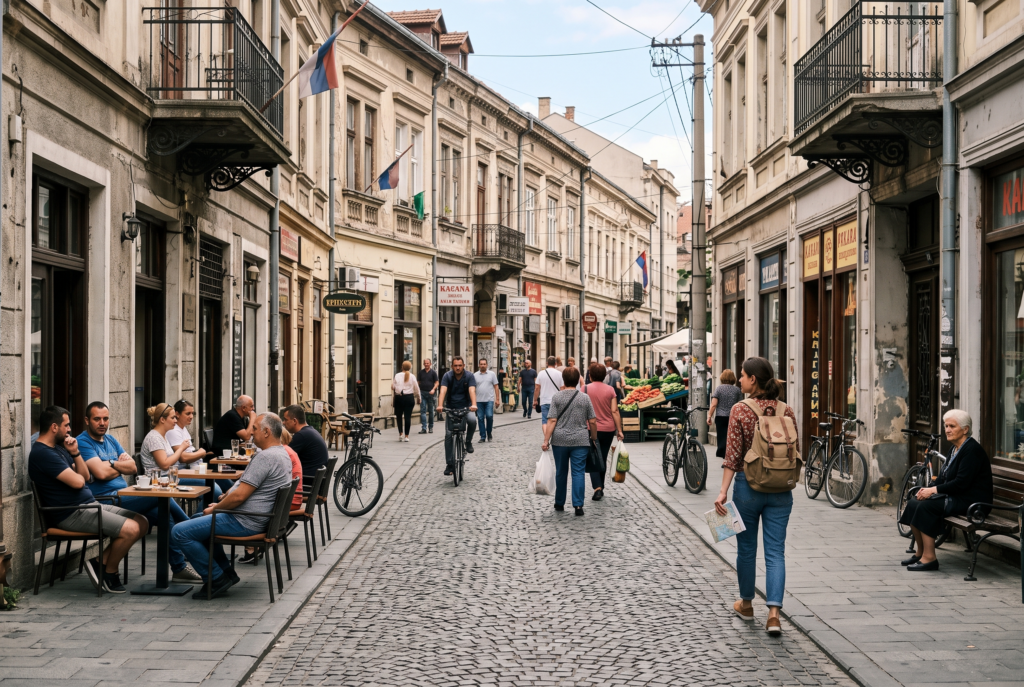
Bosnia and Herzegovina offers excellent value for travelers interested in history, architecture, food, and dramatic landscapes. Sarajevo combines cultural attractions with cafés and nearby mountains, while Mostar remains one of the region’s most recognizable destinations.
Accommodation and meals can stay relatively affordable, particularly outside the most tourist-heavy streets.
The main budgeting challenge is often transportation. Reaching smaller destinations can take longer than expected, while private transfers raise costs quickly.
Save money: Use buses for intercity travel.
Watch for: Private transfers and last-minute transport.
Cheap Travel in Albania
Best for: Beaches, mountains, road trips, and outdoor travel
Lean budget: €35–€50 per day
Comfortable budget: €70–€105 per day
Best-value places: Tirana, Shkodër, Gjirokastër, inland towns
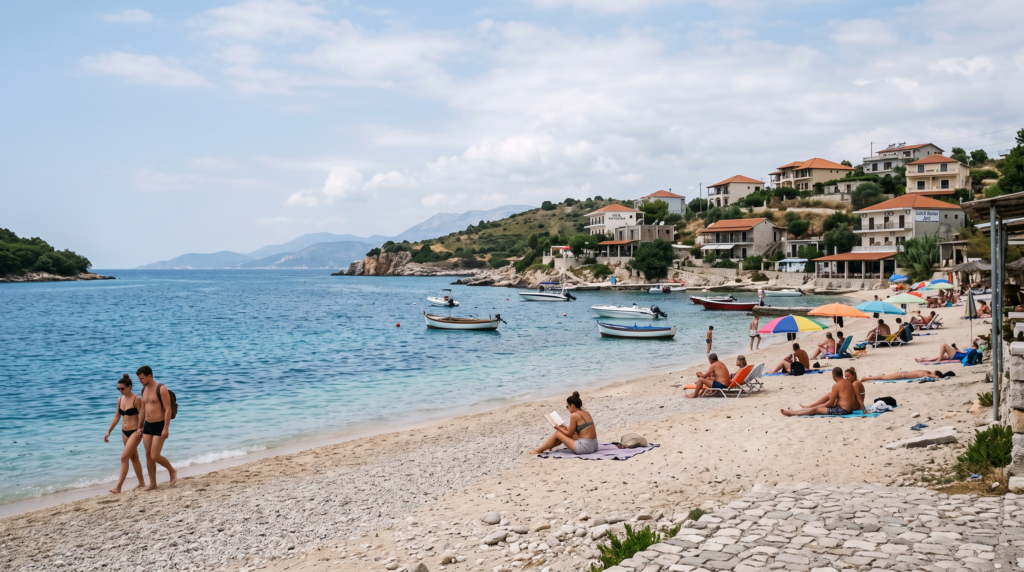
Albania has become one of Europe’s best-known budget destinations because it combines affordable local food and guesthouses with mountains, historic towns, and Mediterranean beaches.
However, the entire country is not equally cheap.
The Albanian Riviera has become increasingly popular, and accommodation in Ksamil, Sarandë, and other coastal areas can rise sharply in July and August.
Travel in late spring or early autumn and the value improves significantly.
Save money: Visit the coast outside peak summer.
Watch for: Riviera accommodation, taxis, and beachfront restaurants.
Cheap Travel in Romania
Best for: Castles, mountains, hiking, historic towns, and rail travel
Lean budget: €40–€55 per day
Comfortable budget: €70–€100 per day
Best-value places: Brașov, Sibiu, smaller Transylvanian towns
Romania offers a strong combination of affordability, tourism infrastructure, historic cities, castles, and outdoor travel.
Brașov and Sibiu make useful bases for exploring Transylvania, while smaller towns and rural areas often provide better accommodation value.
Bucharest and Cluj-Napoca can be more expensive, particularly for centrally located private rooms.
Save money: Use trains and spend more time in regional cities.
Watch for: Central accommodation in Bucharest and Cluj.
Cheap Travel in North Macedonia
Best for: Lakes, hiking, history, and slower travel
Lean budget: €40–€55 per day
Comfortable budget: €70–€105 per day
Best-value places: Skopje, Bitola, Lake Ohrid outside peak dates
North Macedonia remains one of Southeastern Europe’s better-value destinations. Local food, buses, and simple accommodation can stay affordable, while the country offers historic sites, mountains, and Lake Ohrid.
Ohrid is also where seasonal prices rise the most.
Visit outside the busiest summer weeks and you can experience the lake at a much lower cost than many famous European coastal or lake destinations.
Save money: Visit Ohrid during shoulder season.
Watch for: Waterfront accommodation in peak summer.
Cheap Travel in Poland
Best for: Historic cities, museums, food, and rail travel
Lean budget: €40–€60 per day
Comfortable budget: €70–€100 per day
Best-value places: Wrocław, Poznań, Lublin, smaller cities
Poland is no longer as inexpensive as many older travel guides suggest, but it can still offer strong value compared with much of Western and Northern Europe.
Kraków and Warsaw attract heavy tourism and business demand, which can raise accommodation prices.
Wrocław, Poznań, and Lublin can provide a better balance between cost, architecture, food, museums, and nightlife.
Poland’s extensive rail network also makes it practical for a multi-city trip.
Save money: Combine one famous city with a less-touristed regional city.
Watch for: Central Kraków and Warsaw during events and holidays.
Cheap Travel in Hungary
Best for: Budapest, nightlife, thermal baths, food, and architecture
Lean budget: €45–€60 per day
Comfortable budget: €80–€105 per day
Best-value places: Pécs, Szeged, Eger, areas beyond central Budapest
Hungary remains attractive to budget travelers, but Budapest is much more expensive than its old budget reputation suggests.
You can still control costs by using public transportation, staying outside the most expensive central districts, and choosing neighborhood restaurants rather than tourist-focused ones.
Smaller Hungarian cities can offer substantially better value.
Save money: Do not build your entire trip around central Budapest.
Watch for: Thermal baths, nightlife, and central accommodation.
Cheap Travel in Lithuania
Best for: Baltic city breaks, architecture, and culture
Lean budget: €45–€60 per day
Comfortable budget: €80–€115 per day
Best-value places: Kaunas, Klaipėda, smaller towns
Lithuania gives budget travelers a relatively affordable introduction to the Baltic region.
Vilnius has an attractive historic center and strong cultural appeal, while Kaunas can be even easier on a budget. Lithuania’s compact size also helps limit long-distance transportation costs.
Central Vilnius becomes more expensive during popular weekends and events, so comparing neighborhoods matters.
Save money: Compare accommodation in Kaunas as well as Vilnius.
Watch for: Weekend rates in the capital.
Cheap Travel in Slovenia
Best for: Lakes, mountains, hiking, and smaller cities
Lean budget: €45–€60 per day
Comfortable budget: €80–€110 per day
Best-value places: Maribor, Celje, smaller towns
Slovenia is not usually the first country people think of when looking for the cheapest places in Europe, but it can offer good value for travelers who prioritize nature.
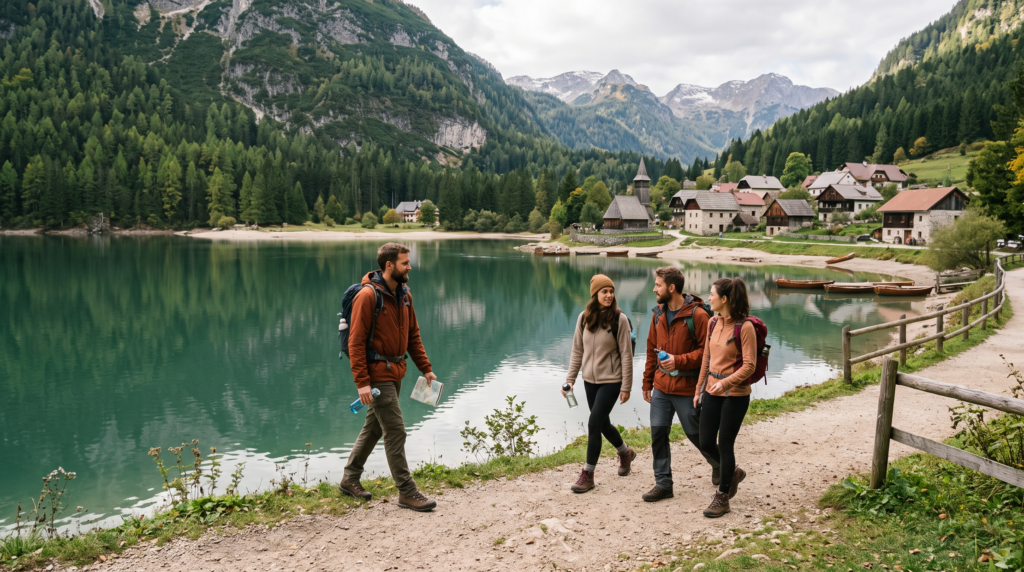
The country combines Alpine scenery, lakes, hiking, small cities, and relatively short travel distances.
Ljubljana and Lake Bled are the main areas where accommodation costs can rise, particularly during summer.
Maribor and smaller destinations can help bring the overall trip cost down.
Save money: Spend more time outside Ljubljana and Lake Bled.
Watch for: Peak-season accommodation around major nature attractions.
Cheap Travel in Czechia
Best for: Architecture, beer culture, castles, and city breaks
Lean budget: €50–€70 per day
Comfortable budget: €90–€120 per day
Best-value places: Brno, Olomouc, smaller regional cities
Prague is one of Europe’s most visited cities, and its popularity has pushed accommodation and restaurant prices well above what many older budget guides suggest.
Czechia can still offer good value if you look beyond Prague’s Old Town.
Brno and Olomouc provide attractive architecture, cafés, nightlife, and cultural attractions with fewer tourist premiums.
Even in Prague, staying several metro or tram stops outside the historic center can reduce costs.
Save money: Stay outside Prague’s main tourist core.
Watch for: Central restaurants, nightlife, and accommodation.
Cheap Travel in Montenegro
Best for: Coastlines, mountains, scenic drives, and outdoor travel
Lean budget: €50–€70 per day
Comfortable budget: €90–€130 per day
Best-value places: Podgorica, inland towns, coastal areas outside peak summer
Montenegro offers some of the most impressive scenery in this list, but its famous coastal destinations have become increasingly expensive.
Kotor and Budva are difficult for a tight budget during July and August, when accommodation demand rises sharply.
Which Cheap Countries to Visit in Europe Are Best for Your Trip?
The best cheap countries to visit in Europe depend on the experience you want, not simply which destination has the lowest daily budget.
| If You Want… | Consider | Why |
|---|---|---|
| Lowest everyday costs | Serbia or Bulgaria | Low-cost food, transport, and accommodation options |
| Affordable beaches | Albania | Mediterranean-style coastline with better value outside peak summer |
| Historic cities | Poland or Czechia | Architecture, museums, city life, and useful transport networks |
| Food and nightlife | Serbia or Hungary | Strong café, restaurant, and nightlife scenes |
| Mountains and castles | Romania | Transylvania, hiking, historic towns, and castles |
| Lakes and hiking | North Macedonia or Slovenia | Strong nature experiences without premium Alpine-country pricing |
| Culture and history | Bosnia and Herzegovina | Historic cities, cultural depth, food, and mountain scenery |
| Baltic city break | Lithuania | Historic cities and a relatively affordable Baltic experience |
| Coast and mountains | Montenegro | Compact country combining dramatic coastline and mountain scenery |
| Easier first European trip | Poland or Czechia | Developed tourism infrastructure and convenient transportation |
| Longer budget stay | Serbia, Bosnia and Herzegovina, or Albania | Lower everyday costs make longer trips easier to manage |
Remember: A country that costs €5 less per day is not automatically the better choice if it does not offer the experience you want.
Save money: Visit the coast in May, June, September, or October.
Watch for: Kotor, Budva, boat trips, taxis, and summer accommodation.
Which Cheap European Country Is Best for Your Trip?
Price matters, but choosing the country that best matches your interests usually produces a better trip.
| If You Want… | Consider |
|---|---|
| Lowest everyday costs | Serbia or Bulgaria |
| Affordable beaches | Albania |
| Historic cities | Poland or Czechia |
| Food and nightlife | Serbia or Hungary |
| Mountains and castles | Romania |
| Lakes and hiking | North Macedonia or Slovenia |
| Culture and history | Bosnia and Herzegovina |
| Baltic city break | Lithuania |
| Coast and mountains | Montenegro |
| Easier first European trip | Poland or Czechia |
| Longer budget stay | Serbia, Bosnia and Herzegovina, or Albania |
A country that costs €5 less per day is not automatically the best choice if it does not offer the experience you want.
How to Make a Cheap Europe Trip Even Cheaper
Travel During Shoulder Season
Peak summer can turn an affordable destination into an expensive one.
This is especially important for Albania, Montenegro, Bulgaria’s coast, Lake Ohrid, and Lake Bled.
Late spring and early autumn often provide a better balance between accommodation prices, weather, and crowds.
Stay Outside the Most Famous Areas
You do not need to sleep directly beside every landmark.
Staying slightly outside historic centers can reduce accommodation and restaurant prices without making sightseeing difficult, especially when public transportation is reliable.
Compare Buses and Trains
The cheapest transportation method varies by country.
Poland and Czechia work well by rail, while buses are often more useful in parts of the Balkans.
Compare:
- ticket cost
- baggage rules
- station location
- travel time
- booking fees
before choosing.
Eat Local Food
Neighborhood restaurants, bakeries, markets, cafés, and lunch menus usually provide better value than businesses directly beside famous attractions.
The goal is not to avoid local food. It is to avoid paying tourist-area prices for every meal.
Slow Down Your Itinerary
Changing cities every night increases:
- transport costs
- station transfers
- luggage storage
- hotel changes
- last-minute purchases
Staying longer in fewer places can reduce costs and make the trip less stressful.
Compare Total Trip Cost
This is especially important if you are flying from the United States.
When comparing cheap countries to visit in Europe, airfare can outweigh small differences in daily spending.
A country with a €35 daily budget might require a much more expensive flight than one costing €50 per day.
Compare:
airfare + accommodation + daily spending + intercity transport + major activities
before deciding which destination is truly cheaper.
Hidden Costs That Can Make a Cheap European Country Expensive
Tourist taxes: Some cities charge accommodation taxes that may be collected separately from the advertised room rate.
Airport transfers: Budget airlines sometimes use airports far from the city. A long transfer can reduce the saving from a cheap flight.
Ferries: Coastal itineraries and island trips can involve several paid ferry journeys.
Beach facilities: Loungers, umbrellas, boat trips, and private beach clubs can make an inexpensive beach destination much more expensive.
ATM and currency conversion fees: Check your card’s international fees before traveling. When an ATM or card terminal offers to convert the payment into your home currency, choose the local currency instead so your bank or card network can handle the conversion.
Intercity transportation: Moving between many destinations can add significantly to your overall budget.
Peak-season accommodation: Albania, Montenegro, Bulgaria, Slovenia, and North Macedonia can all become considerably more expensive in their most popular seasonal destinations.
A realistic budget should include these costs rather than treating them as unexpected expenses.
Is Eastern Europe Cheaper Than Western Europe?
In general, Eastern and Southeastern Europe still provide lower everyday travel costs than many destinations in Western and Northern Europe. Accommodation, local restaurants, transportation, and basic services can be considerably cheaper in countries such as Serbia, Bulgaria, Bosnia and Herzegovina, Albania, and Romania.
However, geography alone does not determine price. Prague, Budapest, popular coastal resorts, and other heavily visited areas can still be expensive. A carefully planned trip to a traditionally expensive country can sometimes cost less than a poorly planned trip to a supposedly cheap one. Always compare your actual cities, dates, and transportation costs.
Frequently Asked Questions
What is the cheapest country in Europe to visit?
There is no permanent single cheapest country because prices vary by city, season, and travel style. Serbia, Bulgaria, Bosnia and Herzegovina, and Albania are among the strongest choices for travelers seeking low everyday costs.
How much money do you need per day in Europe?
In the cheaper European countries, a lean traveler may spend around €30–€70 per day. A more comfortable budget generally starts around €55 and can reach €130 per day, depending on accommodation, activities, and destination.
Which European countries are cheapest for U.S. travelers?
Serbia, Bulgaria, Albania, Bosnia and Herzegovina, Romania, and North Macedonia generally offer strong ground-level value. U.S. travelers should also compare airfare because a country with lower daily costs may be more expensive to reach.
What are the cheapest European countries for beaches?
Albania is one of the strongest budget beach choices in Europe. Bulgaria’s Black Sea coast and Montenegro can also offer value, although peak-season prices can rise considerably.
Is Eastern Europe cheaper than Western Europe?
Usually, yes. Many Eastern and Southeastern European destinations have lower accommodation, food, and transportation costs. However, famous capitals and resort areas can still be expensive.
Which EU countries are cheapest to visit?
Poland and Bulgaria are among the stronger-value EU destinations for budget travelers. Romania and Hungary can also be relatively affordable compared with much of Western and Northern Europe. Actual costs still vary between capitals, smaller cities, and seasonal resorts.
Can you travel Europe on €50 a day?
Yes, in some of Europe’s cheaper destinations. A €50 daily budget is much more realistic in Serbia, Bulgaria, Bosnia and Herzegovina, or Albania than in Switzerland, Scandinavia, or major Western European capitals. Accommodation style will make the biggest difference.
What is the cheapest time to visit Europe?
Late autumn, winter outside major holidays, and early spring often bring lower accommodation prices. For many destinations, May, September, and early October can offer a better balance between accommodation prices, weather, and crowds than peak summer.
Final Thoughts: Choosing Cheap Countries to Visit in Europe
Finding the cheapest country in Europe is not as simple as choosing the destination with the lowest daily-budget number. Prices change by season, city, accommodation style, and travel pace, while famous capitals, beach resorts, ferries, tourist taxes, and intercity transportation can make an affordable destination much more expensive than expected. Ultra-low online budgets can also be misleading when they leave out meals, transportation, attractions, or realistic accommodation costs.
Instead of choosing purely by price, decide which experiences matter most and compare the total trip cost. Serbia and Bulgaria work well for low everyday spending, Albania for beaches, Romania for nature, Bosnia and Herzegovina for culture, and Poland or Czechia for accessible city breaks. Travel outside peak periods, slow down your itinerary, and spend where it improves the experience. The best cheap countries to visit in Europe are the ones that give you both manageable costs and the type of trip you actually want.

WRITTEN BY
Maya Carter
Maya Carter is the pen name used by WanderClarity’s site owner. The site focuses on practical destination guides, trip budgeting, and affordable travel planning.