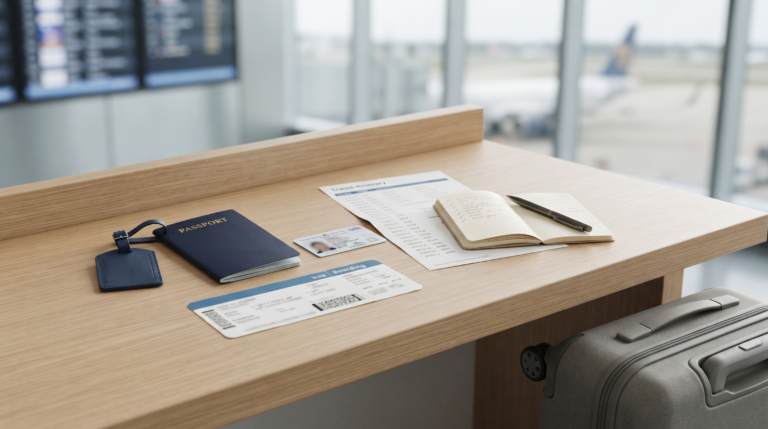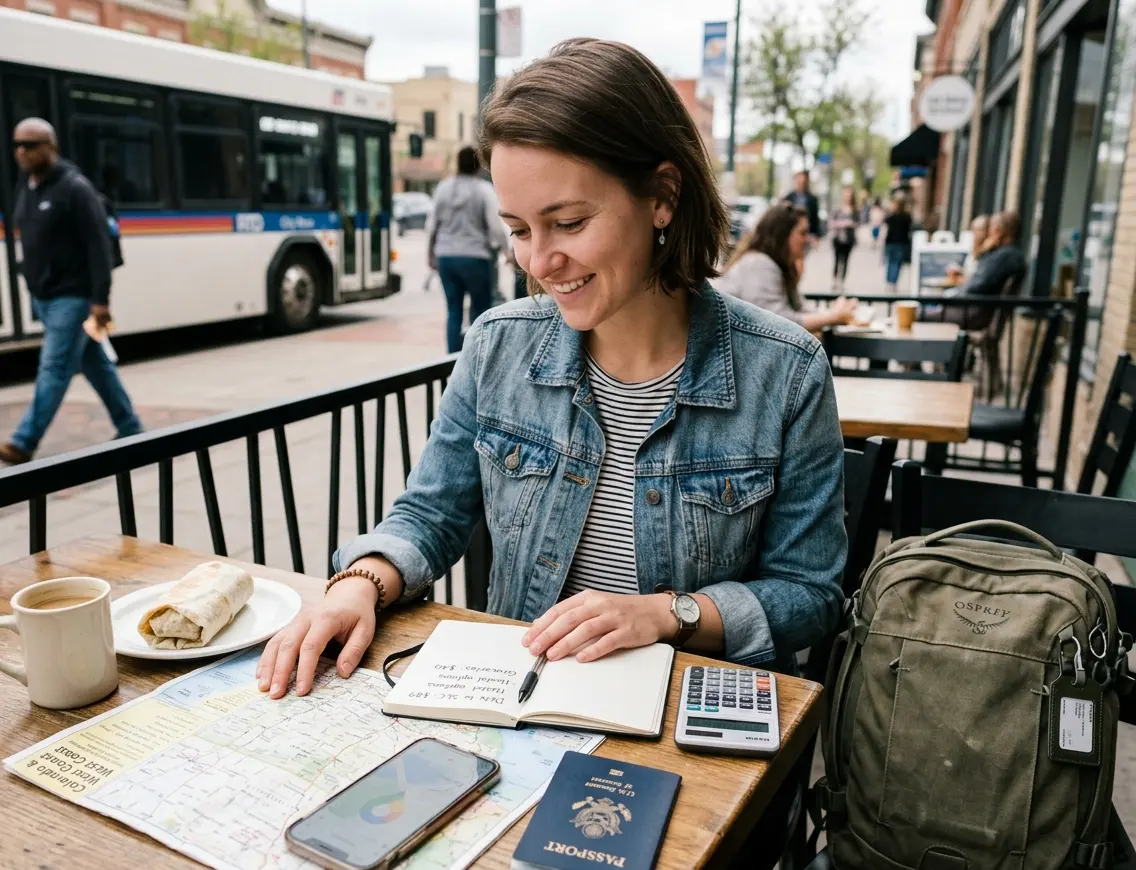
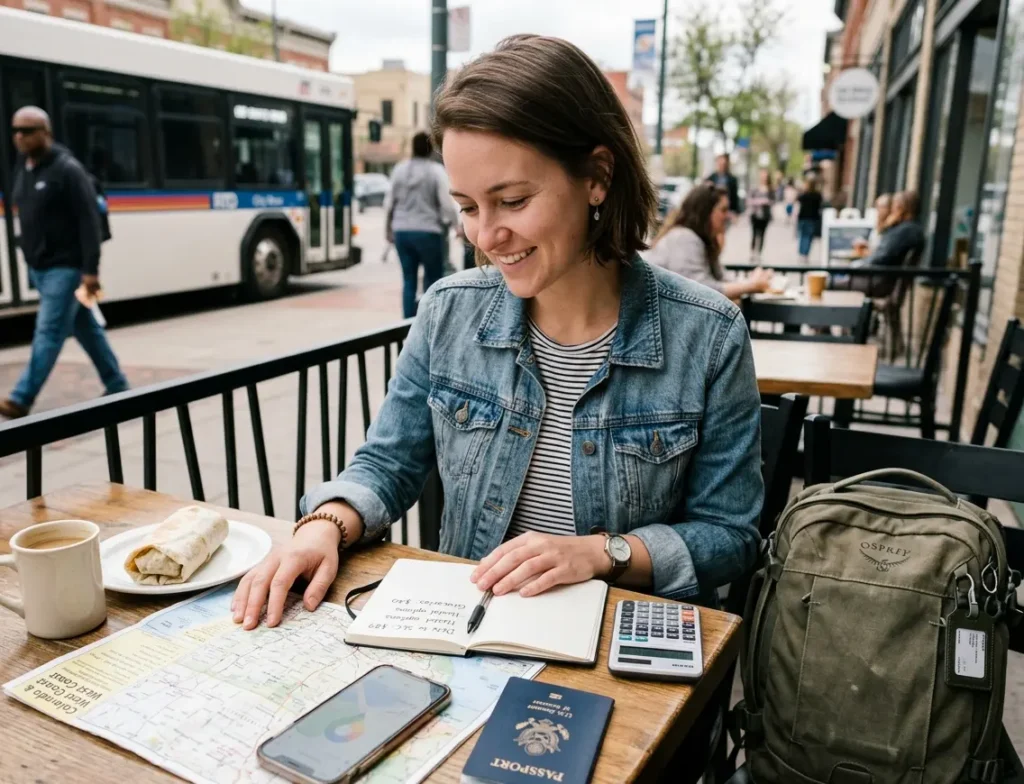
These budget travel tips can help you avoid one of the most frustrating parts of planning an affordable trip: watching the final cost climb higher than expected. Baggage fees, hotel charges, airport transport, and small daily expenses can quickly push you over budget, even when the main booking prices seem manageable.
Comparing the total cost before booking and tracking spending during the trip can make these expenses easier to manage. This guide shares practical budget travel tips to help you save on flights, accommodation, food, transport, and activities while avoiding unnecessary costs. The goal is simple: spend smarter without sacrificing safety, comfort, or the experiences that matter most.
- Compare the total trip cost, not just the advertised price.
- Travel during the shoulder season when it makes sense for your destination.
- Check baggage, hotel, transport, and payment fees before booking.
- Track your spending during the trip so small costs do not get out of control.
- Save on low-value expenses, but do not sacrifice safety or essential comfort.
- Keep a separate emergency fund for unexpected travel costs.
What Does Budget Travel Mean?
These budget travel tips are based on one simple idea: use your money with care.
It does not mean choosing the cheapest option every time. It also does not mean making your trip unsafe, stressful, or uncomfortable.
A smart traveler spends less on things that do not matter and saves money for the experiences that matter most.
For example, you may choose a simple hotel but pay for a special food tour. You may use public transport but spend more on one important attraction.
The goal is not to spend nothing. The goal is to get better value from your travel budget.
A Simple Travel Budget Formula
Before using the tips below, estimate the total cost of your trip.
Use this formula:
Total trip budget = fixed costs + daily costs + special activities + emergency fund
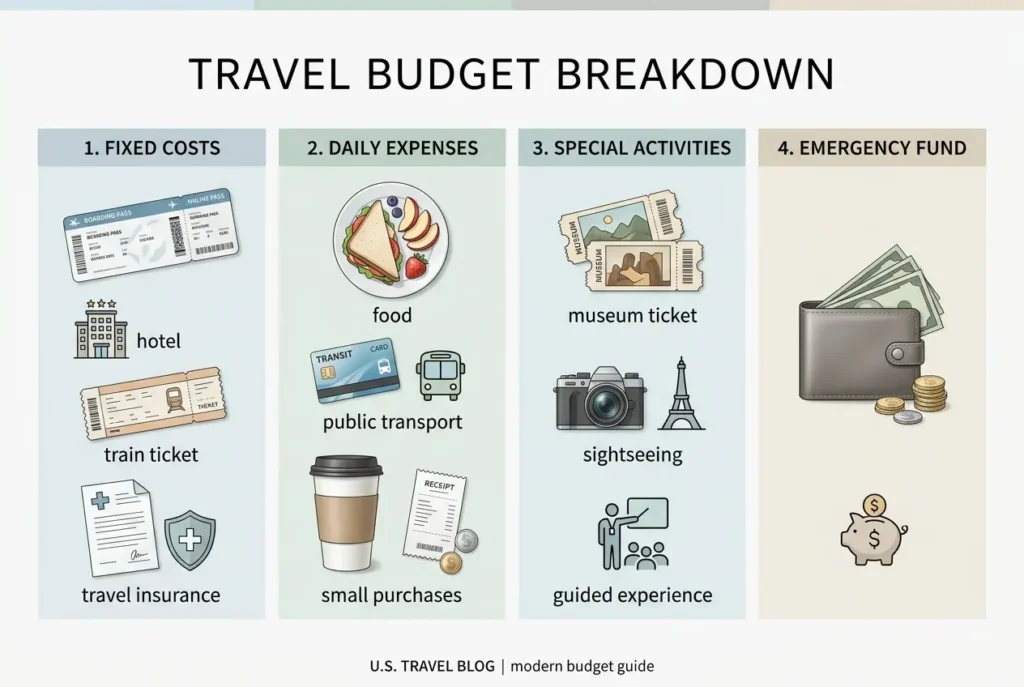
Fixed costs may include:
- Flights
- Train tickets
- Accommodation
- Visas
- Travel insurance
- Rental cars
- Prepaid activities
Daily costs may include:
- Food
- Local transport
- Snacks
- Attractions
- Tips
- Shopping
You should also keep money for unexpected costs. Some travelers start with an emergency fund equal to 10% to 15% of their planned budget. However, you should adjust this amount based on your destination and trip type.
An international trip with nonrefundable bookings may need a larger safety fund than a short domestic trip.
Budget Travel Tips to Use Before You Book
1. Set a Total Budget You Can Afford
Decide how much you can spend before choosing a destination.
Do not use money needed for rent, bills, debt payments, or emergencies. You should also avoid building a vacation around money you do not have.
Your travel budget should include the full trip. Do not only budget for flights and hotels.
Include food, transport, activities, fees, insurance, and emergency costs.
2. Decide What Type of Traveler You Are
Your travel style has a major effect on your costs.
Ask yourself:
- Do I need a private room?
- Can I use public transport?
- Do I want to cook some meals?
- Do I need checked luggage?
- Can I travel outside the busy season?
- Which experiences matter most to me?
- How much comfort do I need?
A hostel may work well for one traveler. A hotel room may offer better value for a couple or family.
Your budget should match your real needs. An unrealistic budget can lead to stress or overspending.
3. Choose a Destination Based on Total Cost
Do not choose a destination by airfare alone.
A place with cheap flights may have expensive hotels, food, transport, or visa costs. Another destination may have higher airfare but much lower daily expenses.
Compare:
- Flight prices
- Hotel costs
- Local transport
- Food prices
- Attraction costs
- Exchange rates
- Visa requirements
- Tourist taxes
- Travel insurance needs
The cheapest destination is the one with the lowest total cost for the experience you want.
4. Travel During the Shoulder Season
Peak season usually brings higher prices and larger crowds.
The shoulder season falls between the busiest and quietest travel periods. Hotels and flights may cost less during this time.
However, research local conditions before booking.
Some low seasons include:
- Heavy rain
- Extreme heat
- Cold weather
- Closed attractions
- Limited public transport
A low price is not useful if the weather or local conditions ruin your plans.
5. Compare Several Dates and Airports
Flexible dates can help you find lower prices.
Search for flights a few days before and after your preferred date. Midweek departures may be cheaper on some routes, but no day is always the cheapest.
You should also compare nearby airports.
However, include the cost of reaching each airport. A cheaper flight from a distant airport may require an expensive train, taxi, or hotel stay.
Budget Travel Tips for Flights and Transportation
6. Book Important Parts of the Trip Early
Early booking may give you more choices for popular flights, hotels, trains, and attractions.
Consider booking these items first:
- International flights
- Popular train routes
- Limited hotel rooms
- Major attractions
- Airport transfers
Do not book every small activity too early. Your plans may change.
Choose refundable options when your schedule is uncertain.
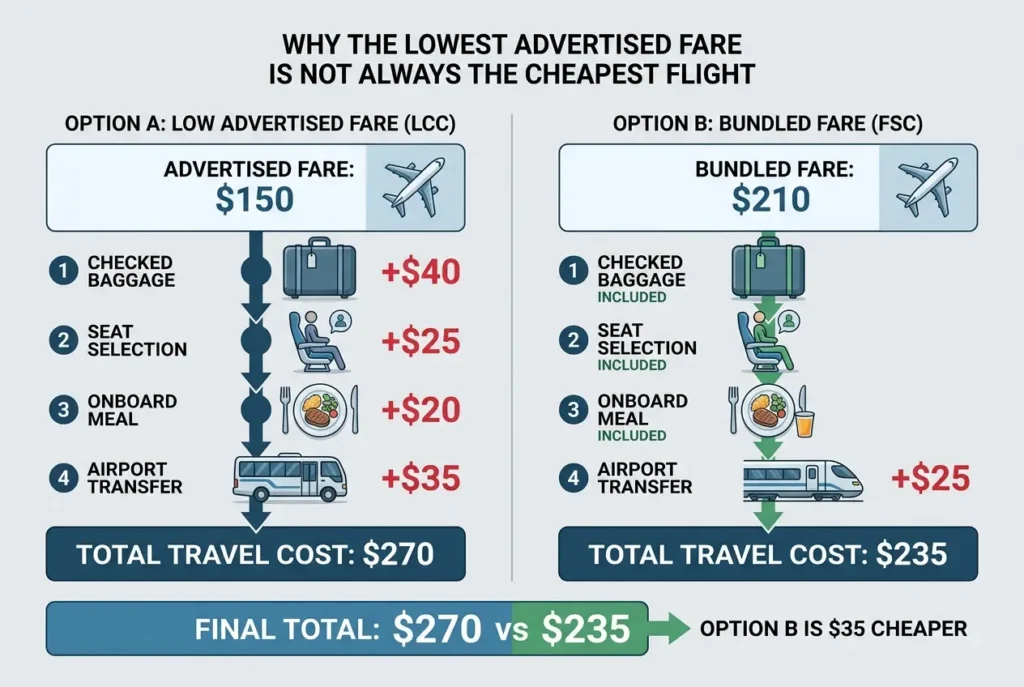
7. Calculate the Real Cost of a Flight
A low ticket price may not be the lowest total price.
Use this formula:
Real flight cost = ticket price + baggage fees + seat fees + food + airport transport
For example, a $150 flight may include $80 in extra costs. A $210 flight with a free bag may cost less overall.
Before booking, check:
- Carry-on rules
- Checked-bag fees
- Seat charges
- Change fees
- Cancellation rules
- Airport location
- Connection times
Always compare the final cost, not only the first price you see.
8. Set Flight Price Alerts
Price alerts can help you follow changes in airfare.
Set alerts for:
- Your preferred destination
- Nearby airports
- Different travel dates
- One-way and round-trip fares
You should still check the airline’s official website before paying.
A third-party booking website may show a good price, but changing or canceling the ticket may be harder.
9. Use Travel Rewards Carefully
Travel rewards can reduce the cost of flights and hotels.
Common rewards include:
- Airline miles
- Hotel points
- Credit card points
- Free-night rewards
- Loyalty discounts
- Member prices
Always compare the reward price with the cash price.
A reward booking may still include taxes and fees. In some cases, paying cash may offer better value.
Do not spend extra money only to earn points. Credit card interest can cost more than the rewards are worth.
You can still travel cheaply without using credit card points.
10. Visit Fewer Places
Moving between many cities can increase your costs.
Each new destination may require:
- Another flight
- A train ticket
- Airport transport
- Hotel transfers
- Baggage fees
- Extra meals during travel
Slow travel can reduce transport costs. It also gives you more time to enjoy each place.
Instead of visiting five cities in one week, consider visiting two or three.
11. Compare Public Transport With Rental Cars
A rental car is not always the best choice.
Use this formula:
Real rental car cost = rental price + insurance + fuel + parking + tolls
Then compare that amount with:
- Public transport passes
- Train tickets
- Rideshares
- Airport buses
- Walking or bike rentals
A rental car may offer good value in a rural area. Public transport may be much cheaper in a large city.
12. Plan Airport Transport Before You Arrive
Airport taxis can be expensive.
Before your trip, compare:
- Airport trains
- Public buses
- Hotel shuttles
- Shared transfers
- Rideshare services
- Taxis
- Rental cars
Check operating hours as well.
A low-cost flight that arrives after public transport closes may require an expensive taxi or hotel stay.
Budget Travel Tips for Better-Value Accommodation
13. Compare the Full Hotel Cost
The nightly room rate does not always show the full price.
Use this formula:
Real hotel cost = room rate + taxes + property fees + parking + added transport
Check for:
- Resort fees
- Local taxes
- Parking charges
- Wi-Fi fees
- Security deposits
- Early check-in fees
- Late check-out fees
A hotel with a higher room rate may offer better value if breakfast, parking, and Wi-Fi are included.
14. Check the Location Before Booking
A cheap hotel far from the city center may increase your daily transport costs.
Check:
- Distance from attractions
- Public transport access
- Airport access
- Safety
- Nearby restaurants
- Nearby grocery stores
- Parking costs
A slightly more expensive hotel in a central area may save time and transport money.
Do not choose a location based on price alone.
15. Look for Useful Hotel Extras
Some hotel services can reduce other travel costs.
Useful extras may include:
- Free breakfast
- Free parking
- A kitchen
- A refrigerator
- Laundry facilities
- Airport transport
- Free Wi-Fi
- Free drinking water
A room with a kitchen can help you prepare simple meals. Free breakfast can lower your daily food spending.
Check that these services are truly included before booking.
16. Compare Hotels With Other Places to Stay

Hotels are not your only choice.
You may also consider:
- Hostels
- Guesthouses
- Vacation rentals
- University rooms
- Extended-stay hotels
- Camping
- Home exchanges
- House sitting
Compare the total cost for your group.
One hostel bed may be cheaper for a solo traveler. However, two or more hostel beds may cost more than one basic hotel room.
You can also contact a hotel directly and ask whether it offers a better rate, free upgrade, or long-stay discount.
Compare the Real Cost, Not Just the Advertised Price
A cheaper price does not always mean a cheaper trip. Use the full cost when comparing flights, accommodation, transport, and activities.
| Booking | Do Not Compare Only | Calculate Instead |
|---|---|---|
| Flight | Ticket price | Fare + bags + seats + food + airport transport |
| Hotel | Nightly rate | Room + taxes + fees + parking + extra transport |
| Rental car | Rental rate | Rental + insurance + fuel + tolls + parking |
| City pass | Number of attractions included | Cost of the attractions you will actually visit |
| Vacation rental | Nightly rate | Rate + cleaning fees + service fees + taxes |
Budget Travel Tips for Food and Activities
17. Choose Accommodation With a Kitchen or Breakfast
Food can become a large daily expense.
A kitchen can help you prepare:
- Breakfast
- Sandwiches
- Snacks
- Tea and coffee
- Simple dinners
You do not need to cook every meal.
Even one simple meal each day can reduce your total food cost.
A hotel with free breakfast may also offer better value than a cheaper room without food.
18. Balance Cheap Meals With Special Meals
Budget travel does not mean avoiding local food.
Try these simple methods:
- Eat a larger lunch instead of an expensive dinner.
- Look for lunch specials.
- Visit grocery stores and local markets.
- Choose restaurants used by local residents.
- Avoid eating every meal near major attractions.
- Carry simple snacks.
- Limit expensive drinks.
Plan one or two special meals. Keep the rest of your meals simple.
This allows you to enjoy local food without overspending.
19. Carry Snacks and Water
Hunger can lead to quick and expensive choices.
Carry:
- Fruit
- Nuts
- A sandwich
- Energy bars
- A refillable water bottle
Use a refillable bottle when local tap water is safe to drink.
This is especially useful at airports, train stations, theme parks, and tourist areas.
20. Choose Paid Activities Carefully
You do not need to pay for every attraction.
Before booking a tour, ask:
- Can I visit this place by myself?
- Does the tour include transport?
- Are entry tickets included?
- Does the guide add useful information?
- Are there extra charges?
- Is this experience important to me?
Choose paid tours that provide real value.
You can also look for:
- Free museums
- Public parks
- Beaches
- Hiking routes
- Historic neighborhoods
- Public festivals
- Free walking routes
- Free museum days
- Student or senior discounts
If you are considering a city pass, use this formula:
Value of attractions you will actually visit − price of the pass
A city pass only saves money when you use enough of its benefits.
Avoid Extra Fees and Money Problems
21. Pack Light and Check Airline Rules
Light luggage can help you avoid baggage fees.
It also makes buses, trains, and stairs easier to manage.
Pack clothes that work together. Choose items you can wear more than once.
Before flying, check the airline’s exact size and weight rules.
Do not assume that every airline includes a free carry-on bag. Rules can change by airline and fare type.
Useful items may include:
- Comfortable shoes
- A refillable water bottle
- Basic medicine
- A power adapter
- A portable charger
- Weather-safe clothing
- A reusable shopping bag
- Copies of travel documents
22. Compare Roaming, SIM, and eSIM Costs
Mobile data can help with:
- Maps
- Transport
- Hotel bookings
- Translation
- Emergency contact
Compare:
- International roaming
- Local SIM cards
- eSIM plans
- Portable Wi-Fi
- Free public Wi-Fi
The cheapest option depends on your destination and trip length.
Check whether your phone is unlocked before buying a local SIM or eSIM.
Most modern websites and apps encrypt information. Still, confirm that you are using the correct public Wi-Fi network. Look for HTTPS and keep your device updated.
Use mobile data for sensitive tasks when you are unsure about a network.
23. Avoid Currency and Payment Fees
International payment fees can increase your travel costs.
Before your trip, check:
- Foreign transaction fees
- ATM fees
- Exchange rates
- Card acceptance
- Withdrawal limits
Airport exchange desks may offer poor rates. Avoid exchanging large amounts there unless necessary.
When an ATM or card terminal asks whether you want to pay in your home currency, paying in the local currency often avoids a dynamic currency conversion markup.
However, your bank may still charge a foreign transaction fee.
Carry more than one payment method. Keep your backup card in a separate place.
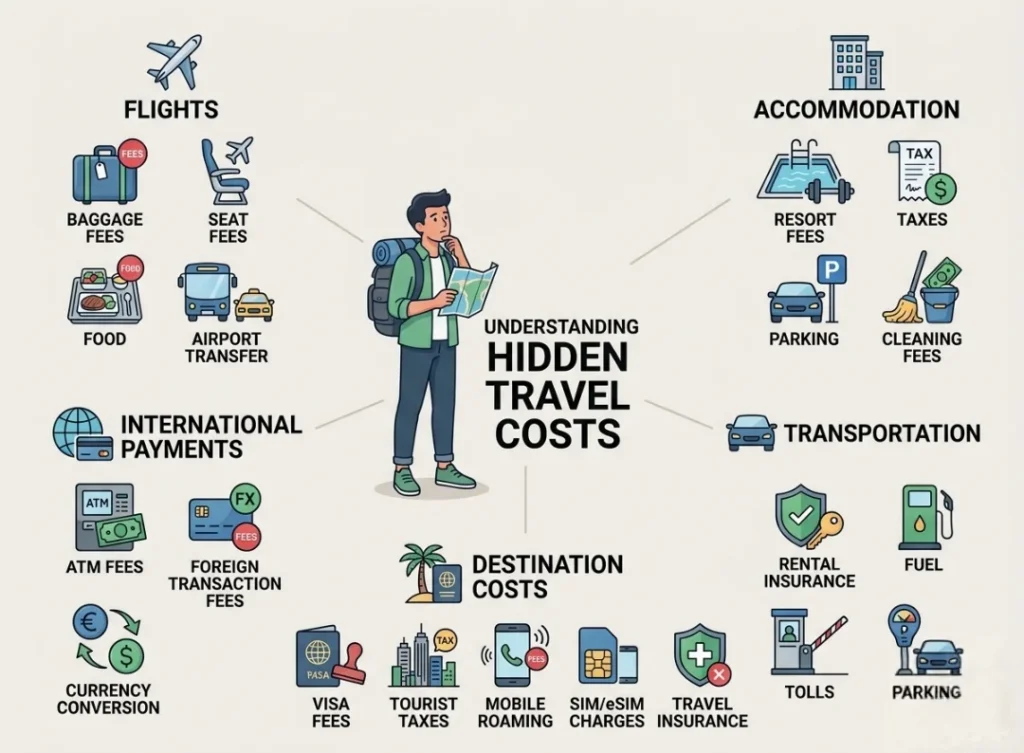
24. Add Hidden Travel Fees to Your Budget
One of the most useful budget travel tips is to check the small charges that increase the final cost.
Check for the following fees:
| Category | Costs to check |
|---|---|
| Flights | Bags, seats, food, changes, airport transport |
| Hotels | Taxes, resort fees, parking, deposits |
| Vacation rentals | Cleaning fees, service fees, extra guest charges |
| Rental cars | Insurance, fuel, tolls, parking, young-driver fees |
| Payments | ATM fees and foreign transaction fees |
| Mobile use | Roaming, SIM, and eSIM costs |
| Destinations | Visas, tourist taxes, permits, and entry fees |
| Health | Insurance, medicine, and required vaccinations |
Check the final checkout price before you pay.
The cheapest advertised price is not always the cheapest total price.
25. Track Spending and Protect Important Expenses
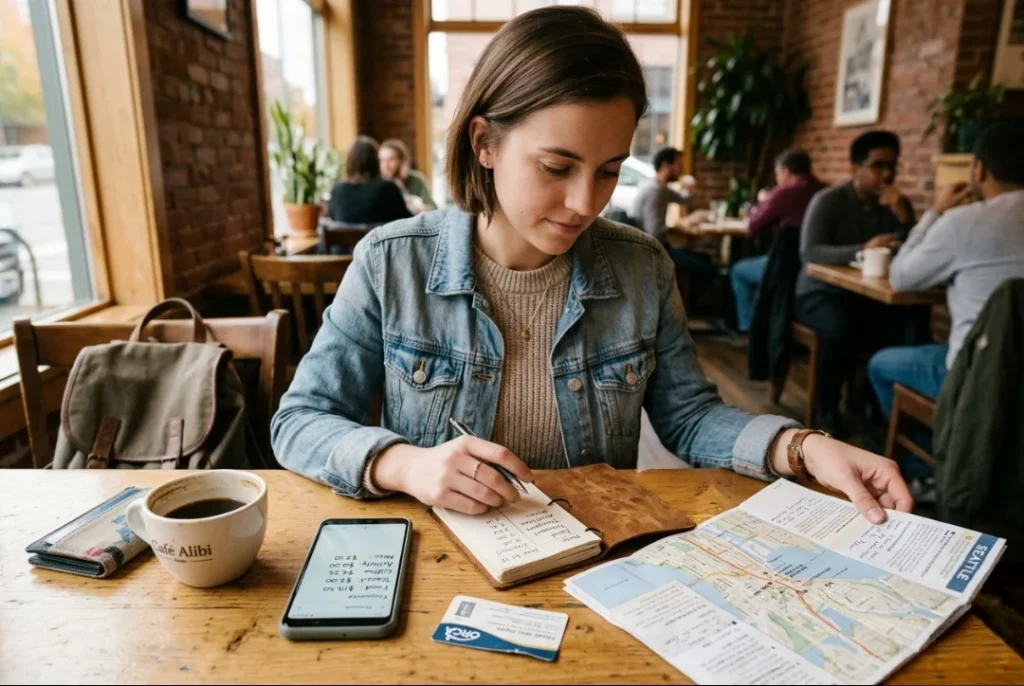
Creating a travel budget is only the first step.
You should also track your spending during the trip.
Set a daily limit for:
- Food
- Local transport
- Activities
- Shopping
- Snacks
Record each expense in:
- A phone note
- A budgeting app
- A spreadsheet
- A notebook
Check your spending at the end of each day.
If you spend less one day, move the unused money to another day. If you overspend, reduce a less important cost later.
Keep your emergency fund separate.
Do not cut costs blindly in these areas:
- Safety
- Health
- Essential medicine
- Accessible transport
- Travel insurance
- Important experiences
Travel insurance policies do not all provide the same protection.
Check whether you need:
- Travel health insurance
- Medical evacuation insurance
- Trip cancellation insurance
- Rental-car coverage
Read the limits and exclusions before buying a policy.
A good budget should help you enjoy the trip. It should not control every moment.
Leave room for one planned splurge, such as a special meal, tour, or attraction.
Budget Travel Tips for Different Travelers
Different travelers have different ways to save.
| Traveler type | Good ways to save | Costs not to cut blindly |
|---|---|---|
| Solo traveler | Hostels, public transport, flexible dates | Safety and location |
| Couple | Shared rooms, taxis, rental cars, groceries | Important shared experiences |
| Family | Kitchens, free breakfast, family passes | Space, safety, and child needs |
| Student | Student discounts, off-season travel | Insurance and emergency funds |
| Older traveler | Shoulder season, senior discounts, longer stays | Health and accessibility |
| No reward points | Price alerts, free activities, public transport | Essential bookings |
Solo travelers should compare hostels with basic hotel rooms.
Couples can share accommodation and transport costs.
Families may save with kitchens, free parking, and free breakfast.
Students should carry valid student identification. Some discounts may require an international student card.
Older travelers should not reduce spending on health, accessibility, or safe transport.
Where to Save and Where Not to Cut Costs
Smart budget travel is not about cutting every expense. Save aggressively on low-value costs, compare important choices carefully, and protect the expenses that affect your safety and well-being.
| Save More On | Compare Carefully | Do Not Cut Blindly |
|---|---|---|
| Checked baggage | Hotel location | Safety |
| Airport food | Rental car vs. public transport | Travel insurance |
| Tourist-area restaurants | Direct vs. connecting flights | Essential medicine |
| Souvenirs | Hotel vs. hostel | Safe transport |
| Paid attractions | City passes | Accessibility needs |
| Roaming charges | Cash vs. reward points | Important experiences |
Budget Travel Mistakes That Can Cost More
Some cheap choices may increase your total cost.
Avoid these common mistakes:
- Booking a distant airport without checking transfer costs
- Choosing a hotel far from public transport
- Buying a basic ticket without checking baggage rules
- Booking a nonrefundable room with uncertain plans
- Renting a car in a city with expensive parking
- Buying a city pass without checking attraction prices
- Taking a very long connection to save a small amount
- Ignoring visas, tourist taxes, or permits
- Traveling during an unsuitable low season
- Skipping insurance without understanding the risk
Always compare cost, time, safety, and comfort.
Sample Budget for a Three-Day U.S. City Trip
The following prices are only examples. Real costs depend on the destination, season, and travel style.
First plan
| Category | Estimated cost |
|---|---|
| Round-trip flight | $220 |
| Baggage and seat fees | $70 |
| Airport transport | $50 |
| Hotel for three nights | $480 |
| Hotel taxes and fees | $90 |
| Food | $180 |
| Local transport | $45 |
| Activities | $120 |
| Emergency fund | $100 |
| Total | $1,355 |
The traveler then makes these changes:
- Uses a personal item instead of checked luggage
- Takes public transport from the airport
- Books a hotel with breakfast
- Uses a local transport pass
- Chooses one paid attraction and two free activities
Updated plan
| Category | Estimated cost |
|---|---|
| Round-trip flight | $220 |
| Baggage and seat fees | $20 |
| Airport transport | $20 |
| Hotel for three nights | $450 |
| Hotel taxes and fees | $80 |
| Food | $120 |
| Local transport | $30 |
| Activities | $70 |
| Emergency fund | $100 |
| Total | $1,110 |
The traveler saves $245, about 18% of the original $1,355 estimate, without removing the main travel experience. These figures are illustrative; actual costs vary by destination, dates, and travel style.
Sample Budget for a Five-Day Road Trip
| Category | Estimated cost |
|---|---|
| Rental car | $300 |
| Fuel | $140 |
| Parking and tolls | $80 |
| Hotels | $650 |
| Food | $350 |
| Activities | $180 |
| Insurance and other costs | $100 |
| Emergency fund | $150 |
| Total | $1,950 |
The travelers may save by choosing hotels with free parking and breakfast. They can also bring snacks and reduce paid activities.
Sample Budget for a Seven-Day International Trip
| Category | Estimated cost |
|---|---|
| Round-trip flight | $750 |
| Baggage and airport transport | $120 |
| Accommodation | $560 |
| Food | $280 |
| Local transport | $100 |
| Activities | $180 |
| Insurance and mobile data | $90 |
| Visa and tourist fees | $70 |
| Emergency fund | $200 |
| Total | $2,350 |
The traveler may reduce costs by using carry-on luggage, staying in a guesthouse, and using public transport.
Sample Budget for a Five-Day Family Trip
| Category | Estimated cost |
|---|---|
| Transport | $600 |
| Accommodation | $900 |
| Food | $550 |
| Local transport | $180 |
| Activities | $300 |
| Parking and other fees | $150 |
| Emergency fund | $220 |
| Total | $2,900 |
A family may save by booking accommodation with a kitchen, using family passes, and choosing free attractions.
Plan Your Budget Before, During, and After the Trip
These budget travel tips work best when your budget covers the full journey
Before the trip
- Set your total budget.
- Research major costs.
- Compare full prices.
- Book important items.
- Add an emergency fund.
During the trip
- Track daily spending.
- Keep receipts when needed.
- Adjust your plans if you overspend.
- Protect your emergency money.
After the trip
- Compare planned and actual costs.
- Record unexpected fees.
- Note which savings worked.
- Use what you learned for your next trip.
This process makes future travel planning easier and more accurate.
Use the step-by-step travel budget guide to set the full trip amount, and the shared Travel Budget Template to track estimates, commitments, and actual spending.
Frequently Asked Questions
What are the best budget travel tips for beginners?
Set a total budget before choosing a destination. Compare full flight and hotel costs. Travel during a less busy season and use public transport when it offers better value.
Track your spending during the trip and keep money for emergencies.
How can I travel on a very small budget?
Choose an affordable destination and travel outside peak season.
Use public transport, stay in simple accommodation, prepare some meals, pack light, and choose free activities.
Do not reduce spending on safety, health, or essential insurance.
How much money should I budget per day?
The amount depends on your destination and travel style.
Research local food, transport, and attraction prices. Add those daily costs to your fixed bookings and emergency fund.
Do not use one general daily amount for every destination.
Is it better to book early or at the last minute?
Early booking may offer more choices for popular flights, hotels, and events.
Last-minute deals can appear, but they are not guaranteed.
Set price alerts and book when the total cost fits your budget.
Are hostels always cheaper than hotels?
No.
A hostel bed may cost less for a solo traveler. However, two or more hostel beds may cost more than one hotel room.
Compare the total cost for your group.
How can I avoid hidden travel fees?
Read the full booking details before paying.
Check baggage fees, taxes, resort fees, parking, cleaning charges, insurance, payment fees, and cancellation rules.
Compare the final checkout price.
Can families travel on a budget?
Yes.
Families can save by choosing accommodation with a kitchen, free breakfast, and free parking. They can also use family transport passes and visit free attractions.
Can I travel cheaply without credit card points?
Yes.
You can save with flexible dates, price alerts, public transport, free activities, light luggage, and affordable destinations.
Credit card rewards are optional.
Final Thoughts
Finding a cheap flight or hotel is only part of planning a trip. The full cost can include baggage, taxes, transport, food, activities, and smaller expenses that are easy to overlook. Tracking spending during the trip shows where the budget is going and makes it easier to adjust before small costs add up.
The best budget travel tips are not about choosing the cheapest option every time. They are about understanding the full cost, planning for unexpected expenses, and spending more on what truly matters to you. If you compare prices carefully, track your spending, and avoid false savings, you can travel for less without making the experience uncomfortable or stressful.

WRITTEN BY
Maya Carter
Maya Carter is the pen name used by WanderClarity’s site owner. The site focuses on practical destination guides, trip budgeting, and affordable travel planning.