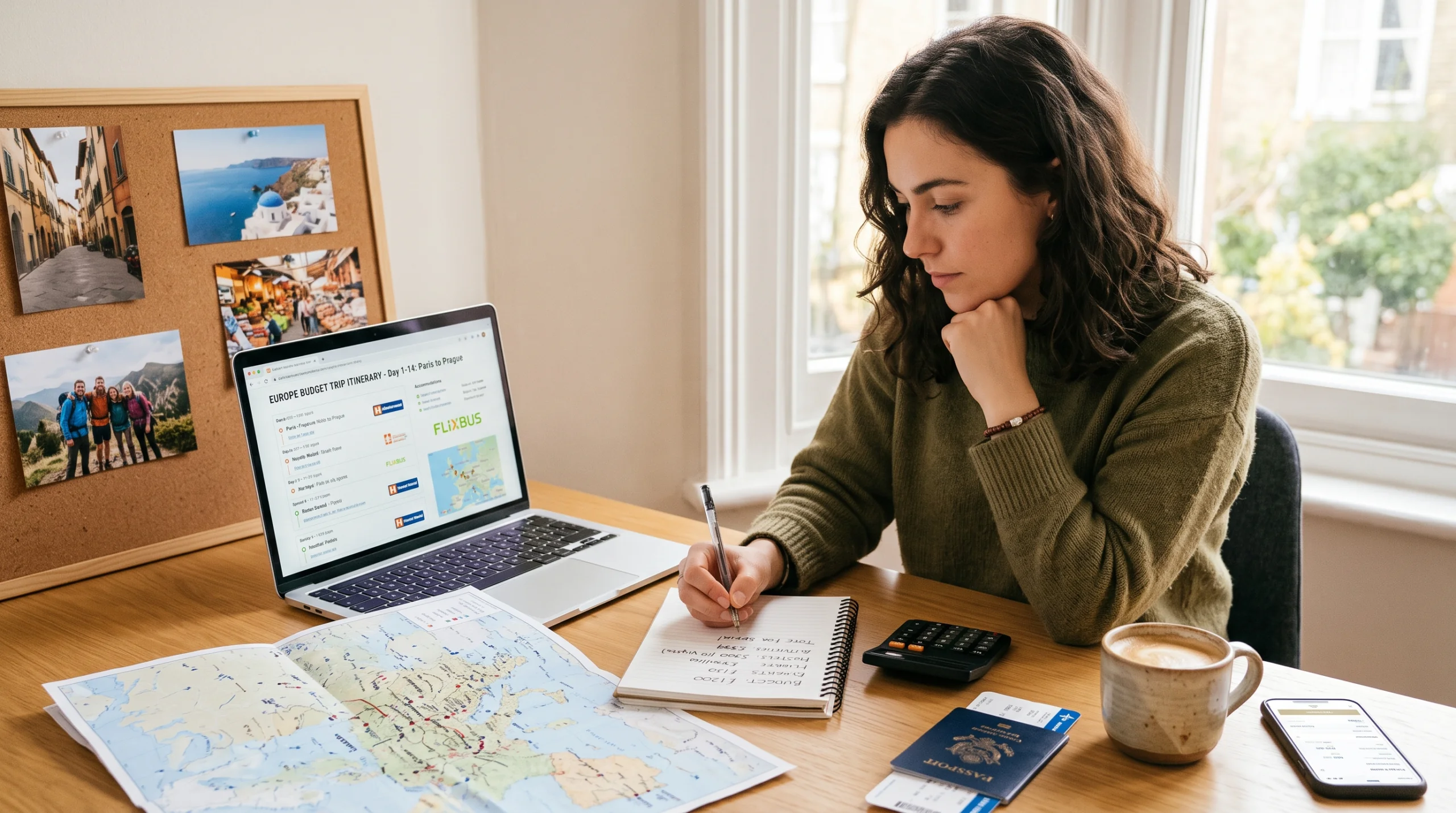
Budget travel planning can feel simple at first. You find a cheap flight, an affordable hotel, and think the hardest part is done. Then extra costs start to appear. Baggage fees, airport transfers, food, local transport, attraction tickets, and small daily purchases can push the total much higher than expected. I learned this on one of my earlier trips when I focused too much on the big booking costs and did not plan the smaller expenses properly. The trip was still enjoyable, but I realized that finding cheap prices is not the same as building a realistic travel budget.
Since then, I have changed the way I plan trips. I now look at the total cost before making major bookings, separate fixed and daily expenses, leave money for unexpected costs, and decide which experiences are worth spending more on. That is what budget travel planning is really about. It is not about choosing the cheapest option every time. It is about creating a trip you can comfortably afford while still enjoying the things that matter to you. This guide will show you how to set your budget, choose the right destination and dates, compare travel costs, plan daily spending, avoid hidden expenses, and stay in control of your money during the trip.
- Set your total trip budget before booking anything.
- Compare destinations by total trip cost, not just airfare.
- Use your travel dates and trip length as budget tools.
- Separate fixed costs from daily spending.
- Keep money aside for unexpected expenses.
- Track what you actually spend during the trip.
- Spend more on what matters to you and save in less important areas.
Budget Travel Planning vs Cheap Trip Planning
Cheap travel focuses mainly on finding the lowest price.
Budget travel planning looks at the total value and total cost of the trip.
For example, a hotel outside the city may cost $20 less per night. However, you may need to spend an extra $30 each day on taxis or public transport. In that case, the cheaper hotel could actually cost you more.
The same idea applies to flights. A low-cost ticket may look like a bargain at first. However, baggage fees, seat fees, airport transfers, and difficult flight times can increase the final price.
Good budget travel planning asks a simple question:
Which option gives me the best trip for the amount I can afford?
Use that question when you compare destinations, transportation, accommodation, food, and activities.
Step 1: Set Your Total Travel Budget Before You Book Anything
Start with the maximum amount you can comfortably spend on your whole trip.
Do this before searching seriously for flights, hotels, or tours.
Your travel budget should come from money that you can safely use. Avoid building a vacation around money you need for rent, bills, debt payments, or emergencies.
A simple starting formula is:
Maximum trip budget ÷ number of travelers = budget per person
For example, imagine two people have $2,400 available.
$2,400 ÷ 2 = $1,200 per person
You can now use that amount when comparing destinations and travel options.
Decide What Matters Most
Not every traveler wants to spend money in the same way.
One person may prefer a comfortable hotel but simple meals. Another may stay in a basic room so they can spend more on tours and activities.
Think about what matters most before dividing your budget.
Your must-haves may include safe accommodation, transportation home, meals, insurance, local transportation, and required documents.
Your nice-to-haves may include premium airline seats, luxury hotels, expensive restaurants, private tours, shopping, and upgrades.
This makes it easier to reduce costs later without hurting the most important parts of your trip.
Step 2: Break Your Budget Into Clear Travel Cost Categories
A travel budget is easier to manage when you divide it into categories.
Do not create one large number and hope it lasts until the end of the trip.
Use a simple budget like this:
| Budget Category | Costs to Include |
|---|---|
| Transportation | Flights, trains, buses, gas, rental cars |
| Accommodation | Hotels, hostels, vacation rentals |
| Food | Meals, snacks, drinks, groceries |
| Local Transport | Metro, buses, taxis, rideshares |
| Activities | Tours, museums, attractions, tickets |
| Travel Documents | Passport, visa, permits |
| Insurance | Travel insurance or travel medical insurance |
| Connectivity | SIM card, eSIM, roaming |
| Extra Fees | Baggage, parking, resort fees, tips |
| Emergency Buffer | Unexpected expenses |
Separate Fixed and Variable Travel Costs
First, identify your fixed costs.
These are expenses you often know or pay before the trip, such as flights, accommodation, insurance, visas, and pre-booked activities.
| Fixed or Planned Costs | Variable Daily Costs |
|---|---|
| Flights | Food |
| Accommodation | Local transportation |
| Insurance | Snacks and drinks |
| Visas | Shopping |
| Pre-booked tours | Extra activities |
Next, estimate your variable costs.
These may change each day. They include food, local transport, snacks, entertainment, shopping, and small activities.
This simple split gives you a clearer picture of where your money is going.
Build a Travel Budget Before You Book
If you do not have enough money saved yet, create a travel savings goal.
A vacation sinking fund is money that you save gradually for a future trip.
Use this formula:
Estimated trip cost − money already saved = money still needed
Then calculate:
Money still needed ÷ months before the trip = monthly savings goal
For example:
Estimated trip budget: $2,400
Money already saved: $600
Time before the trip: 6 months
You still need:
$2,400 − $600 = $1,800
Your monthly savings target becomes:
$1,800 ÷ 6 = $300 per month
You can also move a fixed amount into a separate travel account each payday. This keeps your travel money separate from normal spending.
Step 3: Choose a Destination Where the Math Works
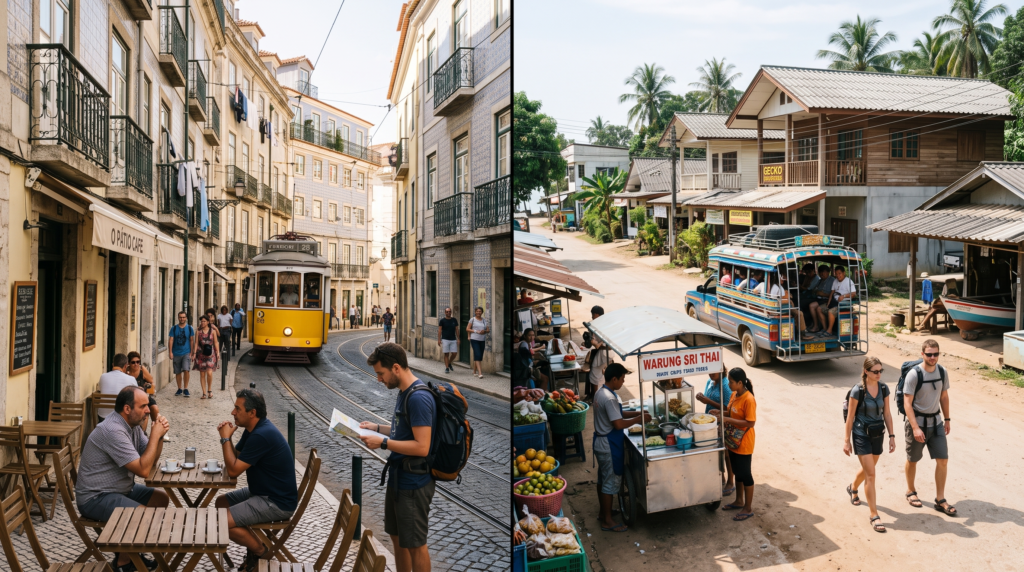
A destination can look affordable until you calculate the full cost.
Do not choose a place based only on cheap airfare.
Compare the cost of flights, accommodation, food, transportation, attractions, taxes, fees, insurance, and travel documents.
For international trips, also consider exchange rates and possible visa costs.
A destination with a more expensive flight can still be cheaper overall if the daily cost is lower.
Imagine Destination A has a $300 flight but costs $180 per day.
Destination B has a $450 flight but costs only $90 per day.
For a longer trip, Destination B may cost less overall.
Compare Destinations by Total Daily Cost, Not Just Airfare
A simple comparison table can help:
| Cost | Destination A | Destination B |
|---|---|---|
| Flights | $ | $ |
| Accommodation | $ | $ |
| Food per day | $ | $ |
| Local transport | $ | $ |
| Activities | $ | $ |
| Fees | $ | $ |
| Estimated Total | $ | $ |
You do not need perfect numbers.
You only need realistic estimates that help you compare your options.
Use Trip Length as a Budget Tool
The number of days you travel also affects your budget.
Every extra night can add accommodation, food, transportation, and activity costs.
If a seven-day trip is too expensive, check whether a five-day version would work.
A shorter trip with enough money for food and activities can be better than a longer trip where you have almost no spending money left.
Trip length is one of the easiest parts of a travel plan to adjust.
Step 4: Find the Best Time for Your Budget
Travel dates can change the cost of the same trip.
Prices may rise during major holiday periods, school breaks, popular summer months, festivals, sporting events, and other high-demand dates.
If your schedule is flexible, compare several weeks before you book.
Good budget travel planning gives you more flexibility to change your dates, trip length, or destination when prices are too high.
Compare Shoulder-Season and Midweek Prices
Shoulder season is the period between a destination’s busiest and quietest travel seasons.
It can sometimes offer lower prices, smaller crowds, and good weather. However, shoulder-season travel is not automatically cheaper everywhere.
Compare real prices for your destination before deciding.
Midweek travel may also cost less on some routes, but this can vary.
The safest strategy is simple:
Compare several dates instead of assuming one day or season will always be cheaper.
Flexibility gives you more chances to find a trip that fits your budget.
Check the total trip cost first. A cheap flight or hotel does not help if food, transportation, fees, and activities push the trip beyond your budget. Research the full cost before paying for a major non-refundable booking.
Step 5: Book Flights and Accommodation Without Overpaying
Flights and accommodation often take a large part of a travel budget.
That makes them two of the most important areas to research carefully.
However, the lowest advertised price is not always the lowest final price.

Search Flexible Dates and Compare the Full Flight Cost
Start checking prices before you need to book.
Compare nearby dates if your schedule allows it.
Also compare direct flights, one-stop flights, nearby airports, departure times, and different airlines.
Do not choose a difficult journey just to save a very small amount.
A long layover or expensive airport transfer may not be worth saving $30.
Your time also has value.
Set Up Fare Alerts
Fare alerts can help you watch prices without searching every day.
When you find a fare that looks good, check the final price before paying.
Look for extra charges such as:
- Carry-on baggage
- Checked baggage
- Seat selection
- Payment fees
- Airport transportation
For example, a $180 flight with $100 in extra costs may not be better than a $250 flight with fewer fees.
Always compare the final cost.
Compare Accommodation by Total Value
Do not compare hotels, hostels, or vacation rentals using the nightly price alone.
Check the full cost and what is included.
Look at taxes, cleaning fees, resort fees, breakfast, kitchen access, parking, laundry, location, and public transport.
Location is especially important.
A cheaper hotel far from the places you want to visit may increase your transportation costs.
A slightly more expensive room in a central area may save both time and money.
Step 6: Build a Daily Vacation Budget
After paying for your main bookings, calculate how much money you can use each day.
Start with:
Total trip budget − fixed costs − emergency buffer = money available during the trip
Then calculate:
Money available during the trip ÷ number of travel days = daily travel budget
For example:
Total budget: $2,000
Flights and accommodation: $1,000
Insurance and booked activities: $200
Emergency buffer: $200
You have:
$2,000 − $1,000 − $200 − $200 = $600
For a six-day trip:
$600 ÷ 6 = $100 per day
That $100 may need to cover food, transport, small activities, and other daily costs.
Set Daily Limits for Food, Transport, and Activities
You can divide your daily budget into smaller categories.
| Daily Category | Example Budget |
|---|---|
| Food | $40 |
| Local transport | $20 |
| Activities | $25 |
| Other spending | $15 |
| Total | $100 |
You do not need to follow every category perfectly.
Use the limits as a guide.
If you spend less on transport one day, you may have more available for food or activities.
The main goal is to stay within your total budget.
How Much Buffer Should Your Travel Budget Include?
Do not plan to spend every dollar in your travel budget.
Keep some money available for unexpected expenses.
The right amount depends on your destination, trip length, transportation, health needs, insurance, and how much of the trip you have already paid for.
A complex international trip may need more backup money than a short road trip close to home.
Your travel buffer may help cover problems such as unexpected transportation, replacement items, price changes, delays, or other urgent costs.
Keep this money separate from your normal daily spending when possible.
Example: How a $2,000 Trip Budget Could Work
Here is a simple example of how one traveler might divide a $2,000 trip budget.
This is only an example. Actual travel costs vary by destination, dates, trip length, and travel style.
| Expense | Example Budget |
|---|---|
| Flights or main transportation | $500 |
| Accommodation | $650 |
| Food | $300 |
| Local transport | $120 |
| Activities | $180 |
| Insurance and fees | $100 |
| Emergency buffer | $150 |
| Total | $2,000 |
This example shows why planning the whole trip is important.
If accommodation rises from $650 to $800, you need to find another $150 somewhere.
You could shorten the trip, choose cheaper accommodation, reduce paid activities, or increase your total budget.
Budget travel planning is about making these choices before they become problems.
Step 7: Build the Itinerary Around Free and Low-Cost Activities
A good itinerary can help you control your daily spending.
Before the trip, list the main things you want to do.
Then divide them into free, low-cost, and expensive activities.
Try to mix them throughout your trip.
For example, you could visit a paid museum in the morning and spend the afternoon exploring a free park or neighborhood.
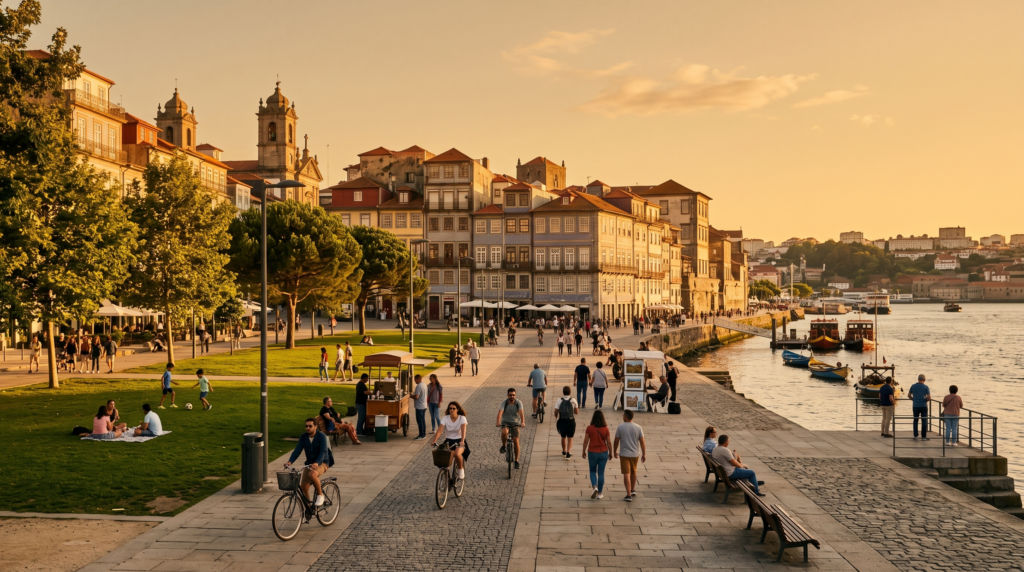
Budget-friendly activities may include free walking routes, public parks, beaches, markets, viewpoints, free museum days, historic neighborhoods, and self-guided tours.
Do not fill every hour of the day.
A packed itinerary may increase transportation, food, and ticket costs.
A slower schedule can reduce spending and give you more time to enjoy each place.
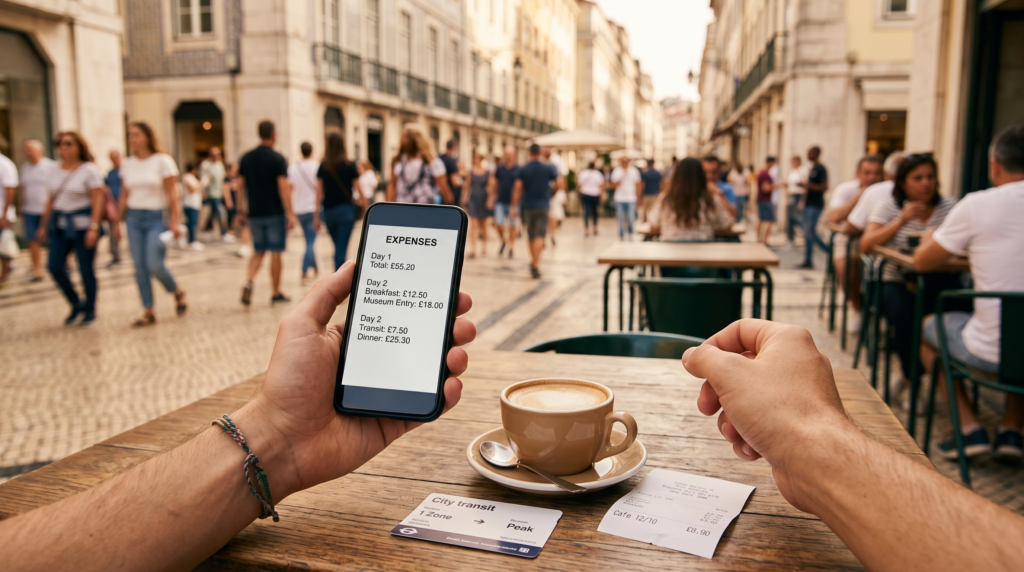
Step 8: Track What You Actually Spend
A travel budget only works if you know what is happening to your money.
Track your expenses during the trip.
You can use a spreadsheet, notes app, budget app, or simple paper list.
A basic table works well:
| Category | Planned | Actual | Difference |
|---|---|---|---|
| Food | $300 | $325 | +$25 |
| Transport | $150 | $125 | -$25 |
| Activities | $250 | $210 | -$40 |
Do not panic if one category goes over budget.
Look at the whole trip.
In this example, food is $25 over budget. However, transport and activities cost less than expected.
Your total spending may still be within your plan.
What to Do If You Start Going Over Budget
First, check your flexible expenses.
You may be able to reduce shopping, expensive meals, rideshares, paid attractions, upgrades, and extra snacks.
Try not to reduce money for important needs such as safe accommodation, medicine, transportation home, insurance, or emergency savings.
Small changes early in the trip can prevent a larger budget problem later.
| Cut or Reduce First | Try to Protect |
|---|---|
| Shopping | Safe accommodation |
| Expensive meals | Transportation home |
| Rideshares | Medicine |
| Optional attractions | Insurance |
| Upgrades | Emergency money |
Useful Tools for Budget Travel Planning
You do not need complicated software to plan a budget trip.
Use tools that make comparison and tracking easier.
| Planning Task | Useful Tool Type |
|---|---|
| Compare flights | Flight search or comparison tool |
| Compare accommodation | Hotel or hostel comparison platform |
| Plan routes | Maps or public transit planner |
| Build your budget | Spreadsheet or travel budget template |
| Track expenses | Notes app or spending tracker |
| Compare activities | Destination websites and travel guides |
The best tool is the one you will actually use.
A simple spreadsheet can be enough for many trips.
Step 9: Sort Out Travel Insurance
Travel insurance can feel like an extra cost when you are trying to save money.
However, an unexpected problem may cost much more than the policy.
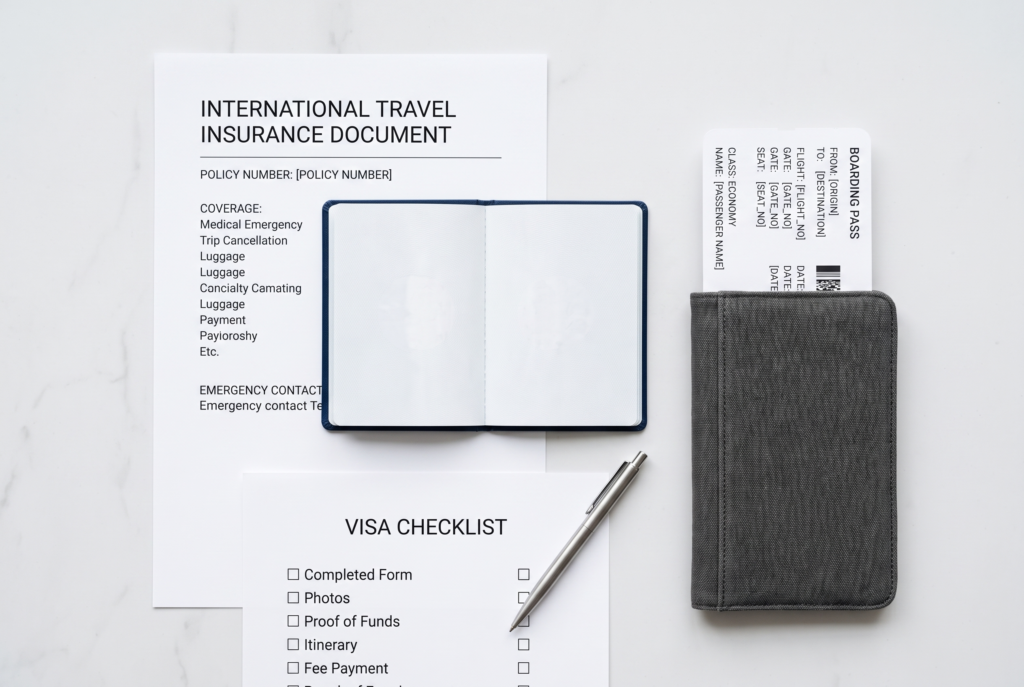
Depending on the policy, travel insurance may help with situations such as medical emergencies, trip cancellations, interruptions, lost baggage, or delays.
Do not choose insurance based only on price.
Read the policy’s coverage, limits, and exclusions before buying.
Also check whether your existing insurance or credit card already provides any travel protection.
You do not always need the most expensive policy.
You need coverage that fits your trip.
Step 10: Handle Visas and Entry Documents Early
International travel may include costs and requirements that are easy to forget.
Check entry rules before paying for non-refundable bookings.
Depending on the destination, you may need a valid passport, visa, electronic travel authorization, vaccination records, proof of onward travel, insurance, or other documents.
Some countries also require your passport to remain valid for a certain period after your travel dates.
For international trips, check official government information for both your home country and your destination before booking.
Do this early.
A missing document can cause much bigger problems than paying slightly more for a hotel.
Booking Order: What to Lock First and What to Leave Flexible
You do not need to book every part of your trip at the same time.
Start with the items that have the biggest effect on your budget or availability.
A simple order is:
- Set your total budget.
- Choose your destination.
- Compare possible travel dates.
- Check entry requirements.
- Compare major transportation.
- Book accommodation.
- Arrange insurance if needed.
- Reserve high-demand activities.
- Plan local transportation.
- Leave some time flexible.
The best order can change depending on the trip.
For example, accommodation may sell out quickly during a major event.
The main goal is to avoid paying for one part of the trip before checking whether the rest of the trip still fits your budget.
Budget Vacation Mistakes to Avoid
Even a good budget travel plan can fail if you miss important costs.
Choosing a Destination From Airfare Alone
Cheap flights do not always mean a cheap trip.
Always compare accommodation and daily expenses too.
Forgetting Extra Fees
Small fees can become expensive when they add up.
Check baggage charges, resort fees, tourist taxes, ATM fees, parking, tolls, airport transfers, tips, and phone costs.
Spending the Full Budget Before the Trip
Do not use every dollar on flights and accommodation.
Keep some money available for unexpected costs.
Creating an Unrealistic Food Budget
You still need to eat.
Research normal food prices before deciding how much you can spend each day.
Booking Cheap Accommodation in the Wrong Area
A low nightly price can become expensive if you need taxis or long journeys every day.
Always check the location.
Ignoring Small Daily Purchases
Coffee, snacks, drinks, tips, and short rides may seem unimportant.
Together, they can take a large part of your travel budget.
Not Tracking Spending
If you never check your actual expenses, you may only notice the problem near the end of your trip.
Track your spending from the first day.
The Complete Budget Travel Planning Checklist
Before Choosing Your Destination
- Decide your maximum travel budget.
- Make sure the amount is comfortable for you.
- Decide how many days you can afford.
- List your biggest travel priorities.
- Compare several destinations.
- Estimate the full trip cost.
- Keep money for unexpected expenses.
Before Booking
- Compare several travel dates.
- Check high and shoulder seasons.
- Review entry requirements.
- Compare total flight costs.
- Check baggage fees.
- Compare accommodation by total value.
- Research local transportation.
- Check normal food prices.
- Review insurance needs.
After Booking
- Set your daily spending budget.
- Plan free and paid activities.
- Research public transportation.
- Prepare travel documents.
- Save copies of important bookings.
- Keep emergency money separate.
During the Trip
- Track daily spending.
- Compare actual spending with your plan.
- Check your remaining budget every few days.
- Reduce flexible expenses if needed.
- Protect your emergency money.
- Adjust your plan instead of ignoring overspending.
A checklist makes budget travel planning easier because you do not have to remember everything at once.
Budget Travel Planning FAQ
What is the cheapest way to plan a trip?
Start with a fixed budget and choose your destination around it. Compare total transportation and accommodation costs. Travel during less expensive dates when possible, use public transport, mix free and paid activities, and track your spending during the trip.
How much money do I need for a budget trip?
There is no single amount that works for every trip. Your budget depends on the destination, trip length, transportation, accommodation, food, activities, and travel style. Estimate each category first and keep extra money for unexpected costs.
How much should I budget per day while traveling?
Subtract your fixed costs and emergency buffer from your total trip budget. Divide the remaining amount by the number of travel days. This gives you a daily target for food, local transport, activities, and other flexible expenses.
How far in advance should I start planning a trip on a budget?
Start as early as you reasonably can. More time gives you a chance to compare prices, save money, watch fares, and consider different dates. However, the best booking time depends on your destination, season, and type of trip.
Should I book flights or accommodation first?
Check the price of both before paying for either one. You need to know whether the full trip fits your budget. After that, book the item with the greatest price or availability risk first.
What if prices rise after I book part of my trip?
Review the whole budget again. Look for savings in flexible areas such as accommodation, food, activities, transportation, or trip length. Avoid using your emergency money for normal spending unless you have no better option.
Should I use cash or credit cards on a budget trip?
It depends on the destination and payment costs. Cards can make tracking easier, while cash may be useful where cards are not widely accepted. Check your card’s foreign transaction fee, your bank’s ATM charges, and the local payment options before you travel.
Is slow travel cheaper than fast travel?
It can be. Staying longer in one place may reduce transportation costs between destinations. You may also find better weekly accommodation rates and have more time to use local transport. However, the total cost still depends on the destination and your travel style.
Final Thoughts on Budget Travel Planning
Budget travel planning means deciding what you can comfortably afford first, then building your destination, travel dates, trip length, bookings, and daily spending around that number.
The biggest lesson I have learned from planning trips on a budget is that saving money starts before you book anything. Earlier, I paid most attention to flights and accommodation, but I often underestimated smaller costs such as food, local transport, fees, and everyday spending. Once I started estimating the full trip cost, keeping an emergency buffer, and tracking expenses during the trip, budgeting became much easier and more realistic.
My approach now is simple: decide what you can comfortably afford, build the trip around that number, and adjust the plan when needed. A shorter trip, different travel dates, or simpler accommodation can often solve a budget problem without ruining the experience. I also do not believe budget travel means always choosing the cheapest option. The better goal is to spend wisely on what matters most to you. A good travel budget should reduce stress, give you more control, and help you enjoy the trip without constantly worrying about money.

WRITTEN BY
Maya Carter
Maya Carter is the pen name used by WanderClarity’s site owner. The site focuses on practical destination guides, trip budgeting, and affordable travel planning.