

Learning how to travel on a budget can make it easier to plan a memorable trip without spending more than you can afford. Flights, hotels, food, transportation, activities, and unexpected expenses can quickly turn a simple vacation into an expensive one. Without a plan, it is also easy to spend too much in one area and have too little left for the rest of the trip.
Learning how to travel on a budget is not about choosing the cheapest option every time. It is about deciding where your money matters most, comparing the total cost of your choices, and tracking your spending as you go. With a realistic plan, you can reduce unnecessary expenses while still enjoying the places, food, and experiences that make a trip worthwhile.
Quick Takeaways
- Set your total budget first: Know how much you can comfortably spend before booking anything.
- Compare the full trip cost: Consider flights, accommodation, food, transportation, activities, and extra fees.
- Spend where it matters: Save on things that matter less to you and prioritize experiences you value.
- Watch hidden costs: Check baggage fees, taxes, transfers, currency charges, and other additional expenses.
- Track your spending: Compare your actual expenses with your original budget throughout the trip.
What Does Budget Travel Actually Mean?
Traveling on a budget means planning a trip around the amount of money you can comfortably spend.
It does not mean staying in the cheapest hotel, eating inexpensive food at every meal, or avoiding paid activities altogether. Instead, it means making deliberate choices about where your money should go.
For example, you might spend more on a hotel because you value comfort but save money by using public transportation. Another traveler might choose a simple hostel and use the money saved for restaurants and activities.
Your priorities determine what a good travel budget looks like.
Before spending money, ask yourself:
- How much can I realistically spend?
- Which expenses are essential?
- Which experiences matter most to me?
- Where can I reduce costs without making the trip less enjoyable?
This approach is more useful than trying to make every part of your trip as cheap as possible.
The Main Costs of a Trip
Most trips can be divided into a few major expense categories:
| Expense Category | Examples |
|---|---|
| Transportation | Flights, trains, buses, airport transfers |
| Accommodation | Hotels, hostels, guesthouses, rentals |
| Food | Restaurants, groceries, snacks |
| Activities | Attractions, tours, experiences |
| Extra Costs | Insurance, fees, internet, emergencies |
Once these categories are clear, you can estimate the total cost of your trip and identify the areas where you have the most control.
Step 1: Plan Your Travel Budget Before You Travel
The first step in planning an affordable trip is deciding how much you can spend.
Many travelers search for flights and hotels first and calculate the rest afterward. This can create problems because major bookings may use most of the available money before food, transportation, activities, and unexpected expenses have been considered.
Start with a maximum amount instead.
For example:
Total trip budget: $2,000
That figure becomes the limit around which you make your decisions.
Calculate Your Total Trip Budget
A realistic plan should include fixed expenses, flexible spending, and an emergency buffer.
Fixed costs are expenses that are usually known before departure.
Examples include:
- Flights
- Accommodation
- Visa fees
- Travel insurance
Flexible costs change depending on your choices.
Examples include:
- Food
- Local transportation
- Activities
- Shopping
Emergency money is reserved for situations you cannot predict.
Examples include:
- Medical expenses
- Lost belongings
- Unexpected transportation
- Last-minute changes
Leaving some money unallocated gives you room to handle problems without affecting the rest of your trip.
Build Your Travel Budget Before You Book
A simple travel budget can help you estimate costs, compare your options, and keep track of your spending.
Use the Travel Budget Template
Divide Your Budget Into Categories
A $2,000 trip could begin with this example allocation:
| Category | Share | Example Amount |
|---|---|---|
| Accommodation | 35% | $700 |
| Transportation | 25% | $500 |
| Food | 20% | $400 |
| Activities | 10% | $200 |
| Emergency Buffer | 10% | $200 |
| Total | 100% | $2,000 |
These percentages are not universal rules.
A backpacker may spend less on accommodation and more on experiences. A family might need a larger accommodation budget. Someone taking a road trip may spend considerably more on transportation.
The purpose of the allocation is to give you a starting point.
Estimate Costs Before Booking
Once you know your maximum budget, estimate the major expenses.
| Expense | Estimated Cost |
|---|---|
| Flights | $450 |
| Accommodation | $700 |
| Food | $350 |
| Local Transport | $150 |
| Activities | $200 |
| Emergency Money | $150 |
| Total | $2,000 |
If your estimate is already above your spending limit, make changes before booking.
You could:
- choose different travel dates
- consider another destination
- compare alternative accommodation
- shorten the trip
- reduce lower-priority activities
It is much easier to adjust a plan before paying than to fix an overspending problem after everything has been booked.
For easier planning, a travel budget template can help you compare estimated costs, confirmed bookings, and actual spending.
Leave Room for Unexpected Costs
Even a detailed itinerary cannot predict everything.
You might need to pay for an additional bag, take a taxi because public transportation is unavailable, replace something you lost, or change a booking.
Instead of treating these situations as budget failures, allow for them from the beginning.
A small buffer gives you flexibility without requiring you to cut important experiences later.
Step 2: Choose a Destination That Fits Your Travel Budget
Your destination can have a major effect on the final cost of your trip.
Two destinations may offer similar attractions but have very different prices for accommodation, food, transportation, and activities.
Before choosing a destination, consider:
- Accommodation prices
- Food costs
- Transportation
- Exchange rates
- Travel season
- Activity prices
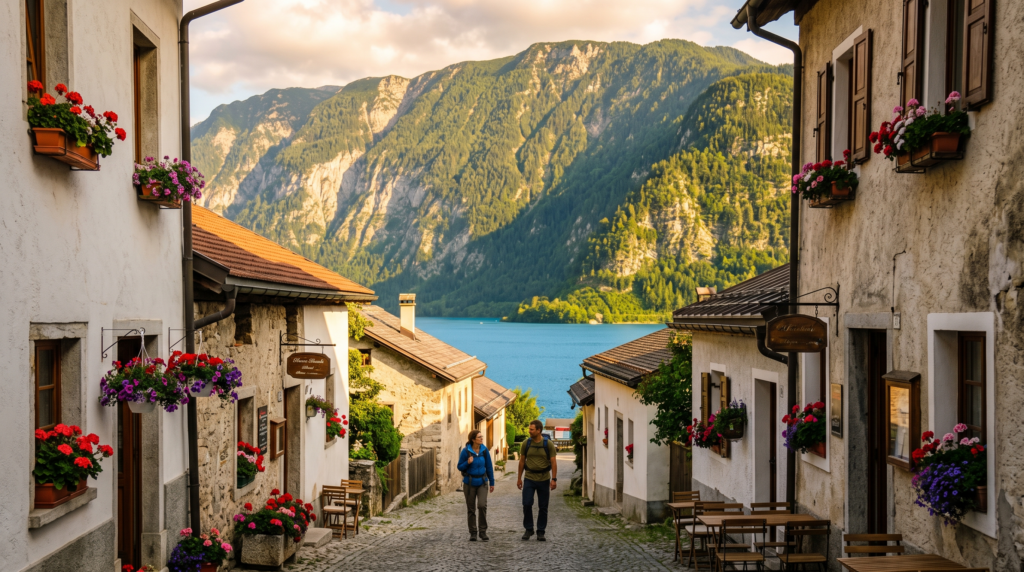
Making this decision carefully can reduce your costs before you book anything.
Compare the Total Cost of the Trip
One of the most common mistakes is judging a destination by a single price.
Imagine two destinations:
| Expense | Destination A | Destination B |
|---|---|---|
| Flight | $250 | $450 |
| Hotel per night | $150 | $60 |
| Local transportation | Expensive | Affordable |
Think Beyond the Ticket Price
A cheaper flight does not always mean a cheaper trip. Compare transportation, accommodation, food, activities, and other costs before deciding where to travel.
Destination A has the cheaper flight, but Destination B could cost less overall.
Instead of asking, “Which flight is cheaper?” ask:
“Which destination gives me the lower total trip cost?”
Include:
- Transportation to and from the destination
- Accommodation
- Food
- Local transportation
- Activities
- Additional fees
This gives you a much more realistic comparison.
Consider the Cost of Living
Daily expenses can vary considerably between destinations.
Before making a decision, research typical prices for:
- Hotels
- Restaurant meals
- Groceries
- Public transportation
- Attractions
You do not need an exact price for every expense. A reasonable estimate is enough to determine whether a destination fits your overall plan.
Think About the Travel Season
The same destination can have very different prices depending on when you visit.
Peak periods often bring:
- Higher hotel prices
- More expensive flights
- Larger crowds
- Lower availability
Shoulder seasons can sometimes offer a better balance between price, weather, and visitor numbers.
Before choosing your dates, check:
- Weather conditions
- Local holidays
- Major events
- Seasonal prices
The cheapest month is not automatically the best choice. A slightly more expensive period may provide better weather and a better overall experience.
Step 3: Save Money on Flights Without Making Your Trip Difficult
Transportation can take up a large part of your travel budget.
Finding a lower fare can make a meaningful difference, but the lowest advertised price is not always the best deal.
A good flight balances:
- Price
- Travel time
- Convenience
- Additional fees
Compare Flexible Travel Dates
If your schedule allows flexibility, compare several departure and return dates.
Prices can vary because of:
- Demand
- Holidays
- Season
- Day of the week
Changing your dates by even a few days may give you more affordable options.
You can also compare different trip lengths. Sometimes adding or removing a day changes the total cost enough to make a different itinerary worthwhile.
Compare Nearby Airports
Some destinations have more than one airport.
An alternative airport may offer a cheaper fare, but calculate the complete journey before booking.
Consider:
- Transportation from your home to the airport
- Airport transfer costs after arrival
- Additional travel time
- Baggage charges
A flight that saves $70 but requires $100 of extra transportation is not really saving money.
Check the Final Ticket Price
The starting fare is not necessarily the final cost.
Before paying, check whether the price includes:
- Checked baggage
- Seat selection
- Booking charges
- Change fees
- Other required services
Always compare the final amount you will pay.
Avoid Unnecessary Extras
Airlines may offer several additional services during checkout.
Before paying for an extra, ask whether it provides enough value for your trip.
You may not need:
- Priority boarding
- Additional luggage
- A specific seat
If an extra does not meaningfully improve your journey, keeping that money available for food, activities, or emergencies may be more useful.
Step 4: Find Affordable Accommodation
Accommodation is often one of the largest expenses on a trip.
The right choice should balance price with location, safety, comfort, and convenience.
Compare Different Accommodation Types
| Type | Often Suitable For |
|---|---|
| Hotels | Travelers who want comfort and services |
| Hostels | Solo travelers and lower-cost stays |
| Guesthouses | Travelers looking for local experiences |
| Vacation Rentals | Families, groups, or longer stays |
Think about how you will actually use the accommodation.
If you expect to spend most of your day exploring, paying for facilities you will rarely use may not be worthwhile.
On the other hand, if you are working remotely or spending more time at the property, better facilities may justify the additional cost.
Consider Location Before Choosing the Cheapest Room
A lower nightly price can sometimes create higher costs elsewhere.
For example:
Hotel A
- $100 per night
- Close to attractions
- Low daily transportation costs
Hotel B
- $70 per night
- Far from attractions
- $35 daily transportation cost
Hotel B has the lower room price, but the difference may disappear after transportation is included.
Consider the complete cost of staying in the location.
Check Additional Accommodation Fees
The advertised room price may not include every charge.
Before booking, check for:
- Taxes
- Cleaning fees
- Service charges
- Resort fees
- Cancellation conditions
Knowing the final price makes your travel budget more accurate.
Step 5: Save Money on Food While Traveling
Food is an important part of the travel experience, but daily meal costs can add up quickly.
The goal is not to avoid restaurants or local cuisine. Instead, create a balance between affordable meals and experiences worth paying for.
Eat Where Locals Eat
Restaurants in busy tourist areas can sometimes charge more because of their location.
Exploring local neighborhoods can give you more choices at different price points.
Look for:
- Local restaurants
- Markets
- Bakeries
- Casual food spots
Researching places before you become hungry can also help you avoid making an expensive decision simply because it is convenient.
Mix Affordable Meals With Special Experiences
Every meal does not need the same budget.
For example:
| Meal | Possible Approach |
|---|---|
| Breakfast | Simple and affordable |
| Lunch | Local restaurant or market |
| Dinner | Special meal when desired |
This leaves room for memorable meals without making every meal a major expense.
Remember Snacks and Drinks
Small food purchases are easy to ignore when planning.
Examples include:
- Coffee
- Bottled water
- Snacks
- Desserts
- Convenience-store purchases
A few small expenses each day can become significant over a week or two.
Include them in your daily spending estimate.
Step 6: Keep Transportation Costs Under Control
Local transportation can quietly increase the cost of a trip.
Before arriving, think about how you will move between your accommodation, airport, attractions, restaurants, and other places you want to visit.
Use Public Transportation When Practical
Depending on the destination, buses, trains, metros, and travel passes may provide affordable alternatives to taxis.

Check:
- Ticket prices
- Travel passes
- Operating hours
- Payment methods
If you are staying several days, compare the cost of individual journeys with available passes.
Walk When It Makes Sense
Walking can eliminate some transportation costs while giving you a different way to experience the destination.
It can work well for:
- Nearby attractions
- Local neighborhoods
- Markets
- Restaurants
Of course, safety, weather, distance, and accessibility should always be considered.
Plan Airport Transportation
Airport transfers are easy to overlook.
Before departure, find out:
- How far the airport is from your accommodation
- Whether public transportation is available
- Whether your accommodation offers a transfer
- What alternative transportation options cost
Knowing this in advance reduces the chance of making an expensive last-minute decision after arriving.
Step 7: Plan Affordable Activities
Activities are one of the most enjoyable parts of a trip, but booking everything available can quickly push your spending beyond the original plan.
Instead, prioritize the experiences that matter most.
Look for Free and Low-Cost Experiences
Many destinations offer inexpensive ways to explore.
Depending on the location, you may find:
- Public parks
- Local markets
- Free walking tours
- Cultural events
- Scenic areas
- Museums with discounted admission periods
Research these options before your trip so you know what is available.
Spend More on Experiences You Value
Saving money does not mean avoiding every expensive activity.
If a particular attraction is the main reason you chose the destination, it may deserve a larger share of your budget.
For example, a traveler interested in history might prefer one important museum over several attractions they are only mildly interested in.
A food lover may choose one memorable cooking class rather than several unrelated tours.
The objective is to spend more intentionally, not simply to spend less.
Step 8: Avoid Hidden Travel Costs
A budget can look accurate until additional charges start appearing.
These expenses are often small individually but can become significant when combined.
| Hidden Cost | Example |
|---|---|
| Baggage | Extra luggage charges |
| Currency Exchange | Conversion fees or unfavorable rates |
| Mobile Data | Roaming or travel data |
| Airport Transfers | Transportation after arrival |
| Booking Fees | Service or processing charges |
| Insurance | Travel protection |
| Taxes | Charges added to advertised prices |
Adding these expenses before departure gives you a more realistic picture of your trip.
For a deeper look at these expenses, read our guide on hidden travel costs.
Check Currency Exchange Costs
The exchange rate you see online may not be the exact rate you receive when paying or converting money.
Before traveling, understand:
- Foreign transaction fees
- Currency conversion charges
- Payment options
- ATM fees, where applicable
Repeated fees can affect your spending over a longer trip.
Plan Internet Costs
Internet access is another expense that travelers sometimes forget.
Depending on your destination, compare:
- Local SIM cards
- eSIM plans
- Travel data packages
- Available Wi-Fi
Choose an option that matches how much connectivity you actually need.
Consider Travel Insurance
Travel insurance is another cost to consider before departure.
Depending on the policy and destination, coverage may help with certain unexpected situations, such as medical emergencies, cancellations, delays, or lost luggage.
Policies differ, so read the terms carefully and make sure you understand what is and is not covered.
Step 9: Track Your Travel Spending
Creating a budget before leaving home is only part of the process.
Once the trip starts, your actual spending may differ from your estimates.
A simple tracking system can separate expenses into three stages:
| Type | Meaning |
|---|---|
| Estimated | What you expected to spend |
| Confirmed | Costs already booked or committed |
| Actual | What you have actually spent |
For example:
| Category | Estimated | Actual |
|---|---|---|
| Accommodation | $700 | $650 |
| Food | $350 | $420 |
| Transportation | $150 | $130 |
| Activities | $200 | $170 |
The traveler is spending more than expected on food but less on the other categories.
Looking at the whole budget provides a better picture than focusing on one expense.
Set a Daily Spending Limit
Suppose you have $1,200 available for the remaining ten days of your trip.
Your average daily allowance would be:
$1,200 ÷ 10 = $120 per day
This does not mean you must spend exactly $120 every day.
You might spend $180 on a day with an expensive attraction and $70 on a quieter day.
The daily figure is a guide that helps you understand whether your spending is sustainable.
Review Your Budget Regularly
Take a few minutes every day or every couple of days to review your spending.
Ask:
- Am I spending more than expected?
- Which category is using the most money?
- Can I adjust upcoming expenses?
- How much money remains?
Small adjustments are easier to make than a major correction at the end of the trip.
Example: How to Plan a $2,000 Budget Trip
Consider a traveler with a maximum budget of $2,000.
The initial plan looks like this:
| Category | Budget |
|---|---|
| Flights | $450 |
| Accommodation | $700 |
| Food | $350 |
| Local Transportation | $150 |
| Activities | $200 |
| Emergency Buffer | $150 |
| Total | $2,000 |
This plan does not mean the traveler has to spend exactly those amounts. It establishes a target for each category.
Before Booking
The traveler estimates:
- Flights: $450
- Accommodation: $700
- Food: $350
- Transportation: $150
- Activities: $200
- Emergency money: $150
At this point, the planned cost matches the $2,000 limit.
If the flight suddenly costs $600, the traveler has a decision to make.
Rather than booking immediately, they could:
- compare other dates
- check another airport
- consider a different destination
- adjust another expense
The budget becomes a decision-making tool.
After Booking
Suppose the confirmed costs are:
| Category | Estimated | Confirmed |
|---|---|---|
| Flights | $450 | $430 |
| Accommodation | $700 | $680 |
| Activities | $200 | $200 |
The traveler has saved $40 on flights and $20 on accommodation.
That $60 does not have to be spent immediately. It could remain in the emergency buffer or be used later for a worthwhile experience.
During the Trip
After several days, actual spending might look like this:
| Category | Budget | Actual |
|---|---|---|
| Food | $350 | $380 |
| Transportation | $150 | $130 |
| Activities | $200 | $170 |
Food spending is $30 above the original estimate.
However, transportation is $20 below budget and activities are $30 below budget.
The traveler is therefore not necessarily overspending overall.
This illustrates why tracking the complete budget is more useful than judging one category in isolation.
Before You Book: Budget Travel Checklist
Use this checklist before confirming your trip.
Before You Book
Use the checklist below to make sure the major costs and practical details are covered before you confirm your trip.
Planning
- Set your maximum travel budget
- Choose a destination that fits your finances
- Check the travel season
- Estimate transportation costs
- Estimate accommodation costs
- Set a food budget
- Research activities
- Add an emergency buffer
Booking
- Compare flight options
- Check the final ticket price
- Review baggage costs
- Compare accommodation options
- Check additional hotel fees
- Review cancellation conditions
- Plan airport transportation
Before Departure
- Set a daily spending limit
- Check currency and payment costs
- Plan internet access
- Review travel insurance
- Save important booking information
- Set up an expense tracker
For a more detailed version, you can also use a travel planning checklist before departure.
Common Budget Travel Mistakes to Avoid
Choosing Only the Cheapest Option
The lowest price does not always mean the lowest total cost.
A cheap hotel may require expensive transportation. A low-cost flight may have high baggage charges. A free attraction may take several hours to reach.
Compare the complete cost before making a decision.
Forgetting Small Expenses
Travelers often budget for flights and hotels but overlook smaller purchases.
Coffee, snacks, transfers, fees, and other minor expenses can accumulate over several days.
Give these costs a realistic place in your daily budget.
Spending the Entire Budget on Bookings
If every dollar is committed to flights and accommodation, there is no room for unexpected expenses.
Keep part of your budget available rather than treating the entire amount as spending money.
Booking Without Comparing Options
The first flight, hotel, or activity you find may not be the best choice.
Compare:
- Total price
- Location
- Convenience
- Reviews
- Cancellation conditions
- Additional fees
You do not need to compare every possible option. Focus on the expenses that have the biggest effect on your overall cost.
Trying to Save Money on Everything
Extreme cost-cutting can make a trip less enjoyable.
If an attraction, restaurant, or experience is particularly important to you, it may be worth paying for.
Save money where the expense does not matter to you and spend more where it does.
That is a more sustainable way to manage travel costs.
Frequently Asked Questions
How can I travel on a low budget?
Start by setting a maximum spending limit before booking anything. Choose a destination that fits your finances, compare transportation and accommodation, use affordable local options, and track your spending throughout the trip.
The biggest savings usually come from managing major expenses rather than eliminating every small purchase.
What is the cheapest way to travel?
There is no single cheapest method for every destination.
The best option depends on the distance, travel dates, destination, and available transportation. Flexible dates, public transportation, suitable accommodation, and careful planning can all help reduce the total cost.
How much money should I save before traveling?
There is no universal amount.
Estimate the cost of transportation, accommodation, food, activities, and other expected expenses. Then add an emergency buffer.
Your savings target should reflect the actual trip you are planning rather than a generic daily amount.
How do I plan an affordable trip?
Start with your total budget instead of starting with bookings.
Choose a destination that fits your finances, estimate the major expenses, compare alternatives, reserve important bookings, and track your actual spending during the trip.
Is budget travel worth it?
Yes, if the budget matches your priorities.
Budget travel does not have to mean sacrificing every comfort. A well-planned trip can reduce unnecessary spending while leaving enough money for the experiences that matter most to you.
Ready to Plan Your Next Trip?
Start with your total budget, estimate your major expenses, and track your spending from booking to departure.
Plan Your Travel Budget
Conclusion
Learning how to travel on a budget is about making informed decisions rather than removing everything that makes travel enjoyable. Start with a realistic spending limit, compare the complete cost of destinations and bookings, and decide which experiences deserve the most money. You do not need to choose the cheapest option every time; you need to choose the option that provides the right value for your trip.
Once you are traveling, keep track of your actual expenses and adjust when necessary. Use a travel budget template to organize estimated, confirmed, and actual costs, and keep some money available for unexpected situations. With a clear plan and a flexible approach, you can make your travel budget work without turning every decision into a compromise.

WRITTEN BY
Maya Carter
Maya Carter is the pen name used by WanderClarity’s site owner. The site focuses on practical destination guides, trip budgeting, and affordable travel planning.